

Blog
How Sleep Patterns Change in Alzheimer’s Patients – Managing Sleep Problems
Author: Cheryl McClure

Alzheimer's & Dementia Care

June 21, 2025
Jun
21
2025
Caring for someone with Alzheimer’s can be tough, day and night. Sleep issues affect up to 25% of those with mild to moderate dementia. This number jumps to 50% for those with severe stages. The Alzheimer’s Association says these problems come from damage to the brain damage that affects sleep.
As Alzheimer’s gets worse, sleep patterns change a lot. These changes are more common and intense than those seen in normal aging. People with Alzheimer’s might wake up a lot at night, get confused about the time, feel restless in the evening or even sundown.
Dealing with sleep issues in Alzheimer’s takes patience and the right support. You’re First Home Care in Houston, Texas offers in-home care services. Their caregivers know how to make bedtime routines calmer and safer for those with Alzheimer’s.
Key Takeaways
- Sleep problems affect 25% of mild to moderate Alzheimer’s patients and 50% of severe cases
- Damage to the brain from Alzheimer’s disease disrupts normal sleep-wake cycles
- Sleep disturbances worsen as dementia progresses through its stages
- Nighttime issues occur more frequently than in healthy older adults
- Professional in-home care can help families manage challenging sleep patterns
- Creating consistent bedtime routines helps reduce nighttime confusion
- Adding white or green noise at night to the bedtime routine may help sleep and reduce agitation
Understanding Sleep Disturbances in People with Alzheimer’s Disease
Sleep problems affect up to 70% of people with dementia. This makes nights hard for both patients and caregivers. Scientists are trying to understand why these sleep disorders happen. They know Alzheimer’s disease affects brain areas that control sleep-wake cycles.
Why Sleep Problems Occur in Alzheimer’s Patients
Your brain produces proteins that build up during Alzheimer’s disease. These proteins harm brain cells that control sleep. Studies show a big drop in both REM (dreaming) and non-REM (deep) sleep in Alzheimer’s patients.
Several factors make sleep hard:
- Mental and physical exhaustion from daily activities
- Changes in your body’s internal clock (circadian rhythm)
- Reduced production of melatonin, the sleep hormone
- Confusion between day and night
The Reciprocal Relationship Between Sleep and Alzheimer’s
Research from the Knight Alzheimer’s Disease Research Center shows a two-way link between poor sleep at night and disease progression. Losing just one night of quality sleep may make cognitive symptoms worse the next day. This creates a cycle where poor sleep speeds up brain changes, and brain changes disrupt sleep even more.
Sleep Stages Affected by Alzheimer’s Disease
Alzheimer’s disease affects all sleep stages. Deep sleep, which helps restore your body and consolidate memories, decreases a lot. REM sleep, important for emotional processing and learning, becomes broken up. These sleep changes in dementia often start early and get worse as the disease gets worse.
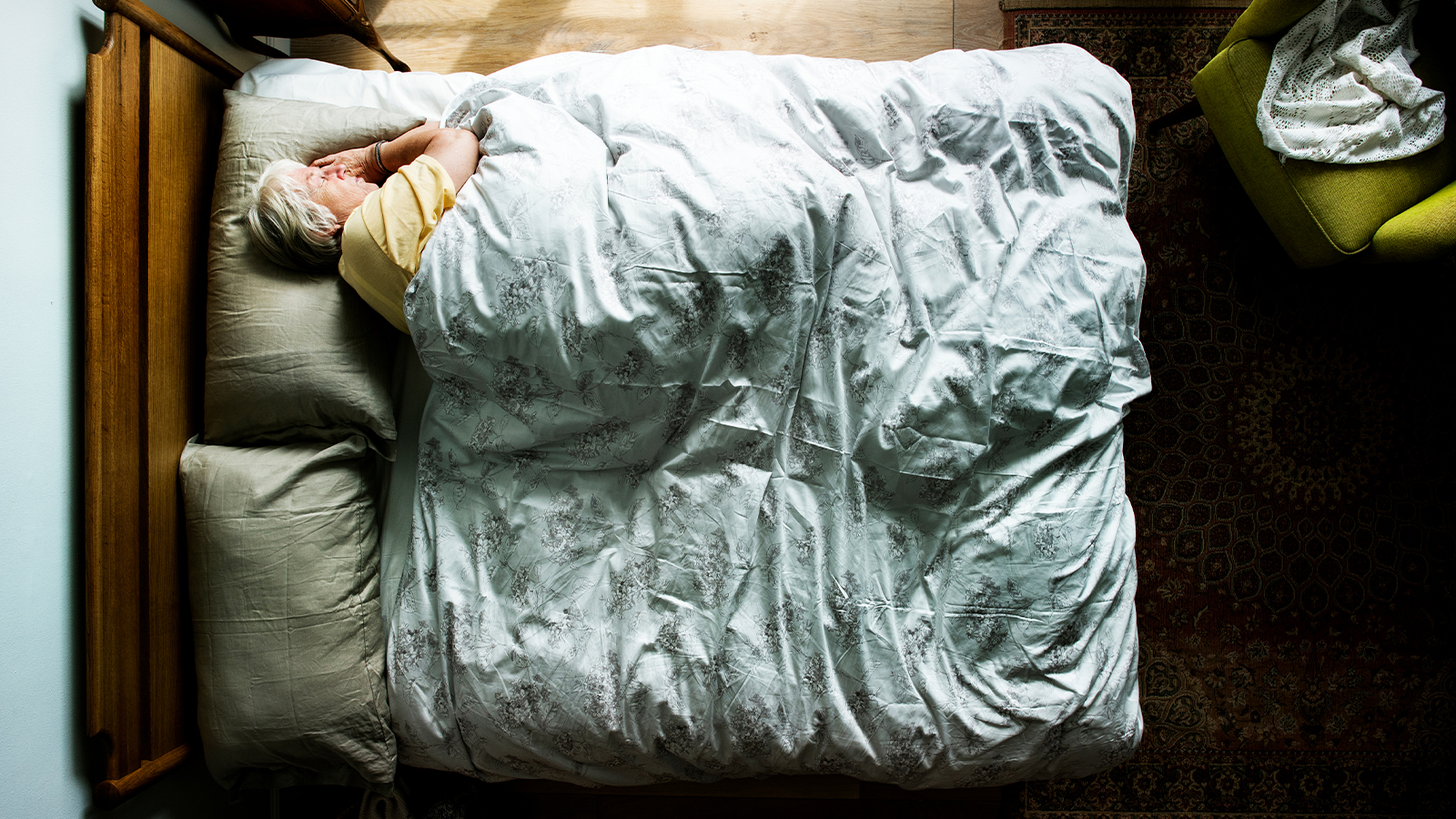
How Sleep Patterns Change in Alzheimer’s Patients
Caring for someone with Alzheimer’s means noticing big changes in their sleep. These changes affect both nighttime sleep and daytime alertness. Understanding these shifts helps you care better and manage tough behaviors linked to disrupted sleep.
Difficulty Sleeping and Fragmented Sleep
Your loved one might wake up many times at night. This broken sleep means they stay awake for long periods when they should be sleeping. In later stages, they could spend up to 40% of their night awake.
These frequent awakenings leave them tired but unable to sleep well again.
Daytime Napping and Sleep-Wake Cycle Disruption
The natural sleep-wake cycle gets mixed up in Alzheimer’s patients. You might see them nap a lot during the day but stay awake at night. This can get really extreme, with some people sleeping when others are awake and staying alert when everyone else is resting. Days and nights get mixed up.
Sundowning and Evening Restlessness
Sundowning happens in many Alzheimer’s patients as the day turns to evening. You might see more confusion, anxiety, and agitation. Some get restless or aggressive. Night wandering is a big safety risk during these times.
Creating a calm evening routine can help lessen sundowning symptoms.
Discover the Importance of Routine For Dementia Patients.
Changes in REM Sleep and Deep Sleep Stages
Brain changes in Alzheimer’s lead to less slow-wave sleep and reduced rapid eye movement. These deep sleep stages are key for memory and physical repair. Without enough REM and deep sleep, your loved one might get more confused and restless.
They might call out, toss and turn, or get up a lot at night.
Medical Factors Contributing to Poor Sleep Quality
When caring for someone with Alzheimer’s, poor sleep often comes from sleep disorders. These need medical help. Knowing these factors helps you work with doctors to improve sleep.
Sleep Apnea in Alzheimer’s Patients
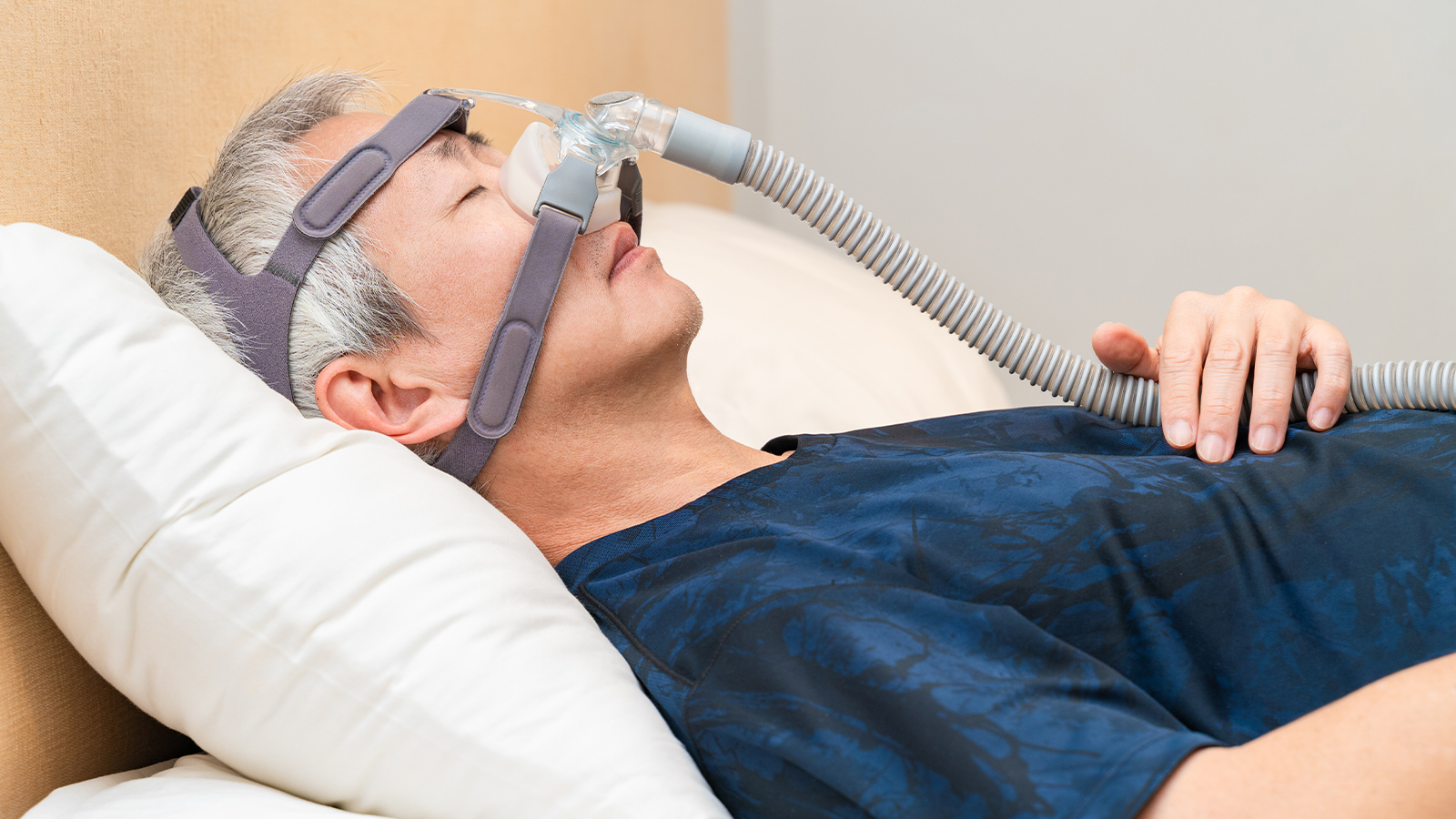
Many with Alzheimer’s have obstructive sleep apnea. This makes breathing stop and start, lowering oxygen levels. It disrupts sleep and can make thinking problems worse.
Signs include loud snoring, what seems like holding their breath then gasping for air, and feeling very tired during the day.
Sleep apnea is a big concern because it harms brain function. Doctors might suggest a sleep study to find out. Treatments include CPAP machines and special sleeping positions.
Restless Leg Syndrome and Sleep Disruption
Restless legs syndrome makes legs feel like they’re crawling or tingling. It makes you want to move a lot, making it hard to sleep. It gets worse in the evening, messing up bedtime. Talk with their doctor about iron or magnesium levels; it may be something as simple as this. If not, their doctor may be able to prescribe a treatment to help.
Depression and Its Effects on Sleep
Depression often goes with dementia, including vascular dementia. It can make you wake up early, have trouble falling asleep, or sleep too much. Treating depression can help sleep improve.
Your doctor might suggest antidepressants or therapy for both conditions.
Non-Drug Approaches to Improve Sleep in Dementia
Creating a peaceful sleep routine is key when caring for someone with dementia. The National Institutes of Health suggest trying natural methods first. This helps your loved one sleep better without needing drugs.
Keep mealtimes and bedtime the same every day. This helps your body’s internal clock stay healthy. Also, morning sunlight exposure is great. Try to get your loved one outside or near bright windows early.
Daily exercise is good for sleep, but time it right. Do physical activities early in the day. Avoid exercise four hours before bedtime to help your body relax.
The bedroom’s environment is important for sleep. Keep it cool and use soft nightlights. Small comfort items like a favorite blanket can offer security. Don’t have TVs in the bedroom and use the bed only for sleep.
| Time of Day | Sleep-Promoting Activities |
| Morning | Bright light exposure, exercise, energizing activities |
| Afternoon | Limit naps to 30 minutes, stay active
Late Afternoon – Light up environment with bright daylight bulbs to help minimize Sundowning, get involved in an activity |
| Evening | Dim lights, calming music, quiet activities |
| Night | Cool room, nightlights, comfort items |
Be mindful of what your loved one eats during the day. Avoid caffeine, alcohol, and nicotine, which can disrupt sleep. If they take medications like donepezil or rivastigmine, give them earlier in the day. This prevents sleep problems at night.
Learn more about Non-Medical Approaches To Managing Alzheimer’s.
Sleep Medications and Treatment Options for Alzheimer’s Patients
Managing sleep issues in older adults with dementia can be tough. Non-drug methods should be your first choice. But sometimes sleep medications are needed. Knowing the treatments for sleep changes helps you make better care decisions for your loved one.
When to Consider Sleep Medications
Think about sleep medicine only after non-drug methods fail. If your loved one has disruptive nighttime behaviors, sleep meds might be right. Talk to your doctor if sleep problems severely affect daily life or caregiver well-being.
Learn more about our Respite Care Services for caregivers.
Types of Sleep Medications Used in Dementia Care
Several types of sleep medications are used for dementia patients:
| Medication Type | Common Examples | Primary Use |
| Tricyclic Antidepressants | Nortriptyline | Sleep and mood |
| Benzodiazepines | Lorazepam, Temazepam | Anxiety and sleep |
| Sleeping Pills | Zolpidem, Zaleplon | Short-term insomnia |
| Antipsychotics | Risperidone, Quetiapine | Severe agitation |
Melatonin, your body’s natural sleep hormone, may help with sundowning. It’s gentler than prescription meds and a good first try.
Risks and Benefits of Sleep Medicines
Studies show sleep meds don’t always improve sleep quality in older adults with dementia. They can increase fall risks and cause confusion. Antipsychotics have serious warnings because they can raise stroke and death risks in dementia patients.
FDA-Approved Treatments for Sleep Changes
Belsomra (suvorexant) is FDA-approved for mild-to-moderate Alzheimer’s disease insomnia. It blocks orexin, a brain chemical that keeps you awake. Start with the lowest dose and increase slowly if needed. Consult your physician as this is a controlled substance with potential unwanted side effects. Regular checks help decide when to stop treatment once better sleep patterns are seen.
Conclusion
Managing sleep issues in Alzheimer’s disease takes patience and a mix of methods. You’ll need to change lifestyles and may need to get medical help for better sleep. Remember, sleep is key for both you and the person with dementia.
When someone with dementia wakes up at night, stay calm. They might need to use the bathroom or feel pain. Speak softly and guide them back to sleep. Keep the lights dim and avoid activities that might disturb or over stimulate them.
Quality sleep gets harder as Alzheimer’s worsens, but you’re not alone. The Alzheimer’s Society recommends getting help from family, friends, or professionals. Taking breaks helps you care better. Adjust your approach as needs change, with your healthcare team’s help.
Every Alzheimer’s journey is different, and what works for one might not for another. Keep talking to your doctors about sleep issues. They can help find the right balance of treatments and strategies. With the right support, you can improve sleep for everyone.
FAQ
How common are sleep problems in people with Alzheimer’s disease?
Sleep issues affect up to 25% of those with mild to moderate Alzheimer’s. This number jumps to 50% for those with more severe cases. These problems usually get worse as the disease advances.
What causes sleep disturbances in people with dementia?
Alzheimer’s affects the brain, leading to less slow-wave and REM sleep. Mental and physical tiredness, changes in the body’s clock, and older adults’ reduced sleep needs also play a role. Sleep loss can make thinking skills worse.
What is sundowning and how does it affect sleep?
Sundowning causes confusion, restlessness, and anxiety in late afternoon and into the evening. It can lead to dangerous wandering at night. The exact cause of sundowning is not known at this time but factors contributing to sundowning may be caused by fatigue, changes in lighting (as the sun goes down shadows are cast as the daylight fades), sundowning can make it hard to sleep.
Should I give my loved one with Alzheimer’s sleep medications?
The National Institutes of Health suggests trying non-drug methods first. Use sleep meds only when these fail or for nighttime behaviors. But meds don’t improve sleep quality and can increase fall risks.
What are the best ways to improve sleep hygiene for someone with dementia?
Keep regular sleep times and get morning sunlight. Daily exercise is good, but not before bed. Avoid caffeine and alcohol and keep the bedroom cool. Use nightlights and beds only for sleep. The National Institute on Aging suggests limiting naps and creating a calm evening atmosphere.
How does obstructive sleep apnea affect people with Alzheimer’s?
Alzheimer’s patients are more likely to have obstructive sleep apnea. This condition makes breathing stop and start during sleep. It can lower oxygen levels and worsen thinking skills, adding to dementia challenges.
What should I do when a person with dementia wakes at night?
Stay calm and check for immediate needs like pain or bathroom visits. Gently guide them back to sleep without bright lights or stimulating activities. Keep interactions brief and reassuring to help them sleep again.
Are there FDA-approved treatments for sleep changes in Alzheimer’s?
Yes, Belsomra is approved for insomnia in mild-to-moderate Alzheimer’s. It works by blocking orexin. Melatonin may also help with sundowning but talk to a healthcare provider before starting any sleep medicine.
How can caregivers get better sleep while caring for someone with dementia?
The Alzheimer’s Society advises seeking respite care. Getting enough sleep is key for caregivers. Try to establish a sleep schedule and ask for help at night when sleep is disrupted.
Do all types of dementia cause the same sleep issues?
Sleep problems are common in different types of dementia, but each person’s changes are unique. Sleep disturbances can happen in both early and late stages of various dementia types, as noted by the Knight Alzheimer’s Disease Research Center.

Previous Article
Next Article
Let us know your interest
Reach Out


24-Hour Care vs. Part-Time Home Care for Parkinson’s Patients: How to Decide
Should you get 24-hour care or part-time care for a parent with Parkinson’s disease? It
Read More

Signs a Person living with Multiple Sclerosis Needs Home Care
Watching your spouse’s multiple sclerosis change month to month is disorienting, partly because MS rarely
Read More

Common Mistakes in Managing Chronic Illness at Home
Ten years ago they were the couple with the full calendar. Golf on Saturdays. Church
Read More

How Does Home Care Help Heart Failure Patients
You’re watching for a swollen ankles, calves or feet. A sudden three-pound weight gain overnight.
Read More

Need Help?