
Blog
Benefits of Family Caregiver Training
Author: Cheryl McClure

Family Support

August 15, 2025
Aug
15
2025
Caring for a loved one at home is one of the most important things you can do. But without the right knowledge and support, you may feel unsure, overwhelmed, or even scared. This not only affects your confidence — it can also impact your loved one’s health and well-being.
You don’t have to do it alone.
At You’re First Home Care in Houston, Texas, we’ve seen how caregiver education changes families and positive outcomes. It’s more than just about learning solid techniques on how to care for someone. It’s about feeling safe, confident, and emotionally strong.
Studies show that family caregivers who get training do amazing things. They help older adults think better and move more easily. Getting trained as a caregiver can change yours and your loved one’s life for the better.
Key Takeaways
- Proper caregiver training reduces stress, builds confidence in abilities and yields positive health outcomes
- Structured programs help improve cognitive and functional outcomes for care recipients
- Trained relatives can sometimes achieve better results than professional caregivers in specific areas
- Comprehensive education enhances safety, emotional well-being, and quality of life for both the caregiver and care recipient
- Research consistently demonstrates significant improvements in older adult care outcomes
- Professional guidance transforms the entire caregiving experience for families
Why Family Caregiving Has Become More Important Than Ever
Home care needs are rising, and families are feeling the pressure. As our population ages, the need for care at home is growing rapidly. But today’s family dynamics look different. Many adult children live far away, work full-time, or juggle multiple responsibilities and their own families. This often leaves one family member in charge of care for their loved one.
This shift isn’t just personal; it’s part of a much larger change. Demographic and economic forces are reshaping healthcare, and families are stepping in to fill the gaps.
The numbers tell a clear story
- More people over 65 than ever before
- Increased demand for long-term care services, people are living longer but with more physical and/or cognitive challenges
- Family members becoming caregivers, often suddenly, and without preparation
You’re not alone, but you do need support. Let’s make sure you have the tools, training, and confidence to care with compassion and skill.
The Rising Demand for Home-Based Care
Several factors are pushing up the demand for home health care. People are living longer many with more chronic conditions than ever before, that need ongoing care. Healthcare costs are also rising, making institutional care unaffordable for many.
More families are choosing home care over nursing facilities. This is due in part to necessity, not just preference. Home care is preferred because it allows a person to remain in their familiar setting which enhances the quality of life, individualized attention, loved ones feels more at ease at home. You can also provide the care that big institutions sometimes can’t.
Your Crucial Role in Your Loved One’s Well-Being
Research shows how vital your role as a family caregiver is. Home health clinicians say caregiver involvement is key in 87% of cases. You’re not just providing companionship; you’re a key part of the healthcare team.
Giving caregiver support comes with unexpected challenges. You might provide physical care, manage medications, coordinate with doctors, or handle emergencies. Your loved one depends on you for more than just daily tasks.
Your role directly affects the quality of care your loved one gets. When you’re prepared and trained, you can ensure they receive the care they need. This responsibility might be tough, but it gives you the chance to make a big difference.
The shift to family-centered care gives you more control over your loved one’s outcomes. You can advocate for their wishes, ensure their dignity, and offer emotional support. This is why the importance of caregiver training makes caregivers feel they’re in position for the numerous benefits person-centered care provides.
Family Caregiver Training Benefits That Make a Real Difference
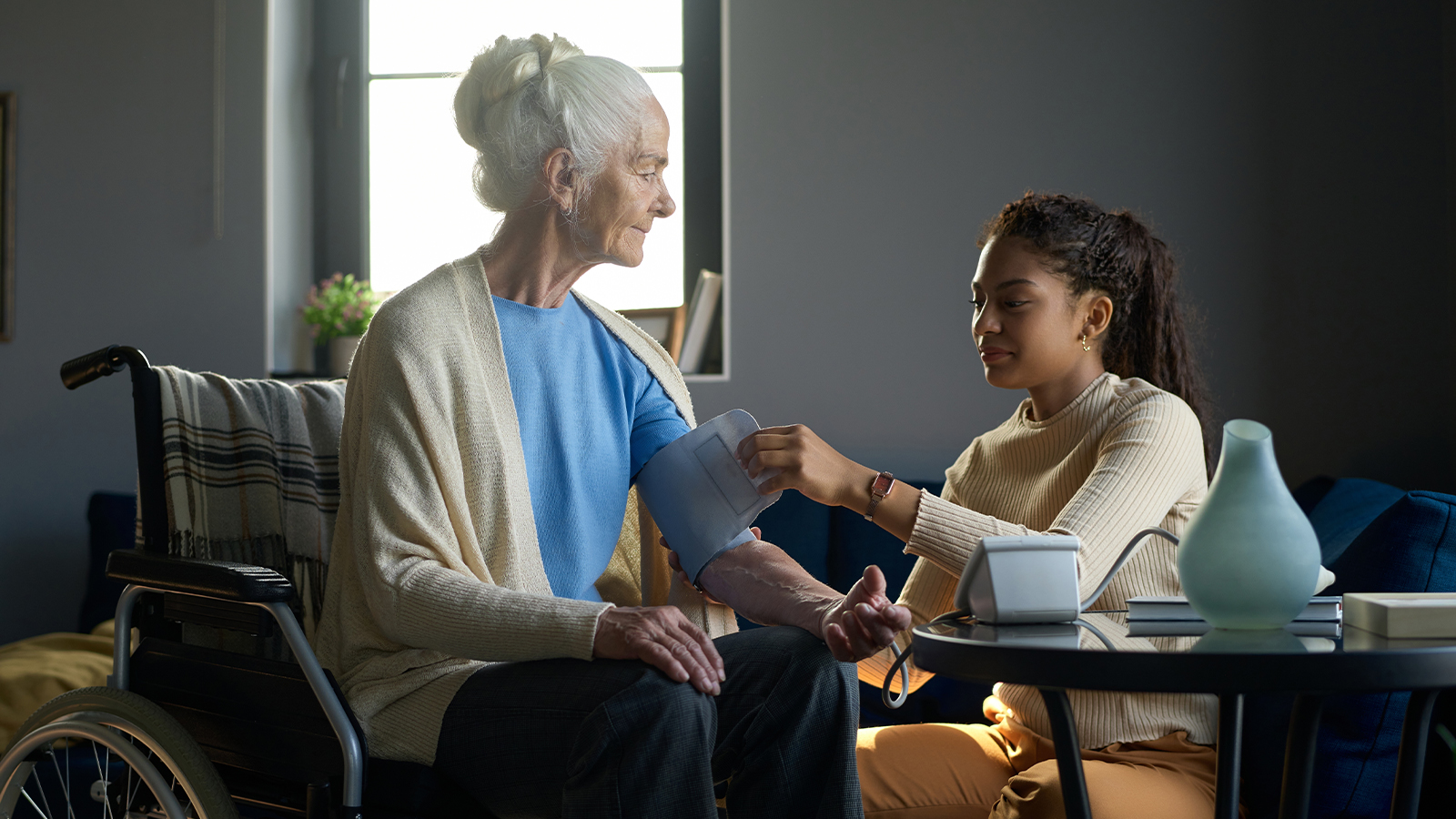
Proper caregiver training does more than just teach basic skills. It opens up many benefits that change your caregiving journey. These benefits make a big difference for you and your loved one while providing care.
Studies from Houston Healthcare Facilities show that comprehensive training empower caregivers for better outcomes. Your education investment leads to better care and safety for everyone.
Dramatically Improved Quality of Care
Training caregivers makes a big difference in care quality. You learn not just what to do, but how to do it right. This knowledge helps you give better care that meets professional standards.
Research shows that older adults cared for by trained caregivers live better lives. Your skills improve their daily life. The care you provide gets much better when you know the right way to do things.
Key improvements include:
- More effective assistance with daily activities, the “how to” of caregiving, skill development empowerment
- Proper body mechanics to ensure safety for both the caregiver and your loved one
- Improved ability to be proactive vs reactive when there are changes in condition
- Improved healthcare communication skills
- Reduced caregiver stress
- Tailoring to specialized care needs
- Better medication management and timing
- Improved nutrition and meal planning
- Enhanced emotional support and communication
Enhanced Safety for You and Your Care Recipient
The benefits of caregiver training makes your home safer. You learn to spot hazards early minimizing potential risks. You also learn how to move safely to avoid injuries.
Safety training covers important areas. You learn how to make your home safe for your loved one. This reduces risks and keeps them independent and dignified.
Safety benefits include:
- Proper lifting and transfer techniques
- Fall prevention strategies/how to get them up should a fall occur
- Emergency response procedures
- Home modification recommendations
Better Understanding of Health Conditions and Symptoms
Training helps you spot important health changes early. You learn to recognize warning signs. This lets you act quickly instead of waiting, being proactive vs reactive.
Education gives you a deeper understanding of health conditions. You learn about medication effects and when to call a doctor. This helps you advocate for your loved one better.
Your knowledge leads to:
- Earlier detection of health complications, changes in condition
- Better communication with medical teams
- More informed decision-making
- Reduced anxiety about unfamiliar symptoms
Research shows that training leads to more independence for care recipients. When caregivers can handle complex needs, the whole family benefits. They get better care and peace of mind.
How Training Builds Your Confidence and Essential Skills
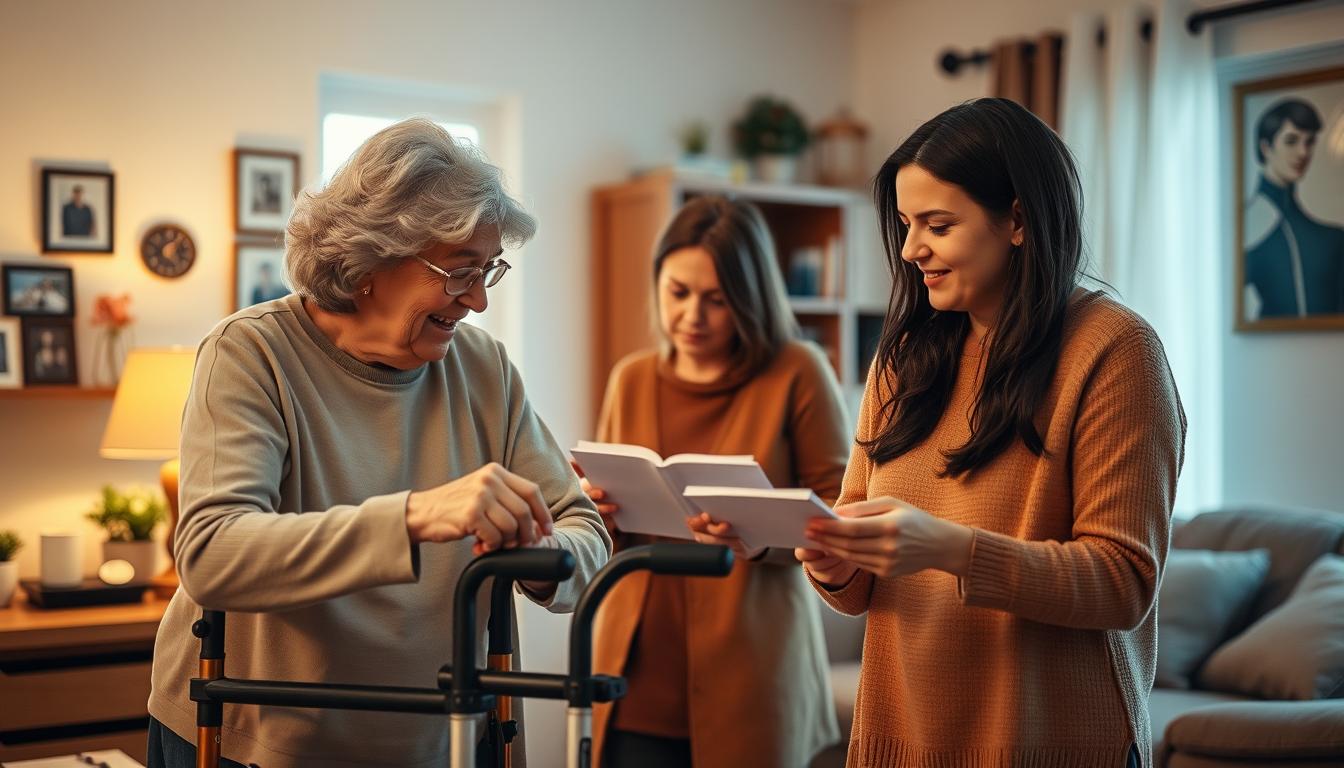
Starting as a caregiver can feel overwhelming. But, with the right training, you can become skilled and confident. Formal training gives you the tools you need to handle your new role.
Training prepares you for the challenges ahead. You’ll learn practical skills that you can use every day. This foundation is key to handling your caregiving duties well.
Mastering Daily Personal Care Tasks
Learning the right techniques makes personal care easier. Basic training teaches you safe bathing methods. This way, you can help your loved one without losing their dignity.
Managing medications is another important skill. You’ll learn how to organize pills and track schedules. This knowledge helps you feel confident about your loved one’s health.
Knowing how to support mobility is also vital. You’ll learn safe transfer methods and when to use and what type of assistive devices to use. Remember, caregivers play a vital part in preventing injuries.
Developing Effective Communication with Healthcare Providers
Good communication makes you a better advocate for your loved one. Training teaches you how to communicate effectively during doctor visits. You’ll learn to ask the right questions and report symptoms accurately.
Healthcare providers value informed family members. When you understand medical concepts, you become a more valuable team member. This partnership improves your loved one’s quality of the care provided.
Knowing how to document symptoms, medications, and changes is also important. These records help healthcare providers make better decisions. This is one of the major impacts of caregiver training.
Learning to Handle Emergency Situations with Caregiver Skills
Being prepared for emergencies gives you peace of mind. Training teaches you to think quickly and stay calm in crisis situations. You’ll learn basic first aid that could save lives.
Knowing warning signs is critical. Effective training helps you recognize when to call for immediate help. This knowledge reduces panic and ensures faster response times.
Having an emergency plan is essential. You’ll know exactly what to do and who to contact. This preparation turns scary situations into manageable challenges.
| Skill Area | Training Focus | Confidence Benefit | Safety Impact |
| Personal Care | Safe bathing and hygiene techniques | Reduces anxiety about daily tasks | Prevents falls and injuries |
| Communication | Behavior challenges and advocacy | Handling difficult situations and treatments | Improves outcomes and treatment options |
| Emergency Response | First aid and crisis management | Provides peace of mind | Enables faster emergency response |
| Medication | Organization and monitoring systems | Increases competence in health tasks | Reduces medication errors |
Caregiver training boosts confidence by giving you practical tools for success. When you feel prepared, you can focus on what matters most – providing loving, effective care for your family member.
Preventing Caregiver Burnout Through Proper Education
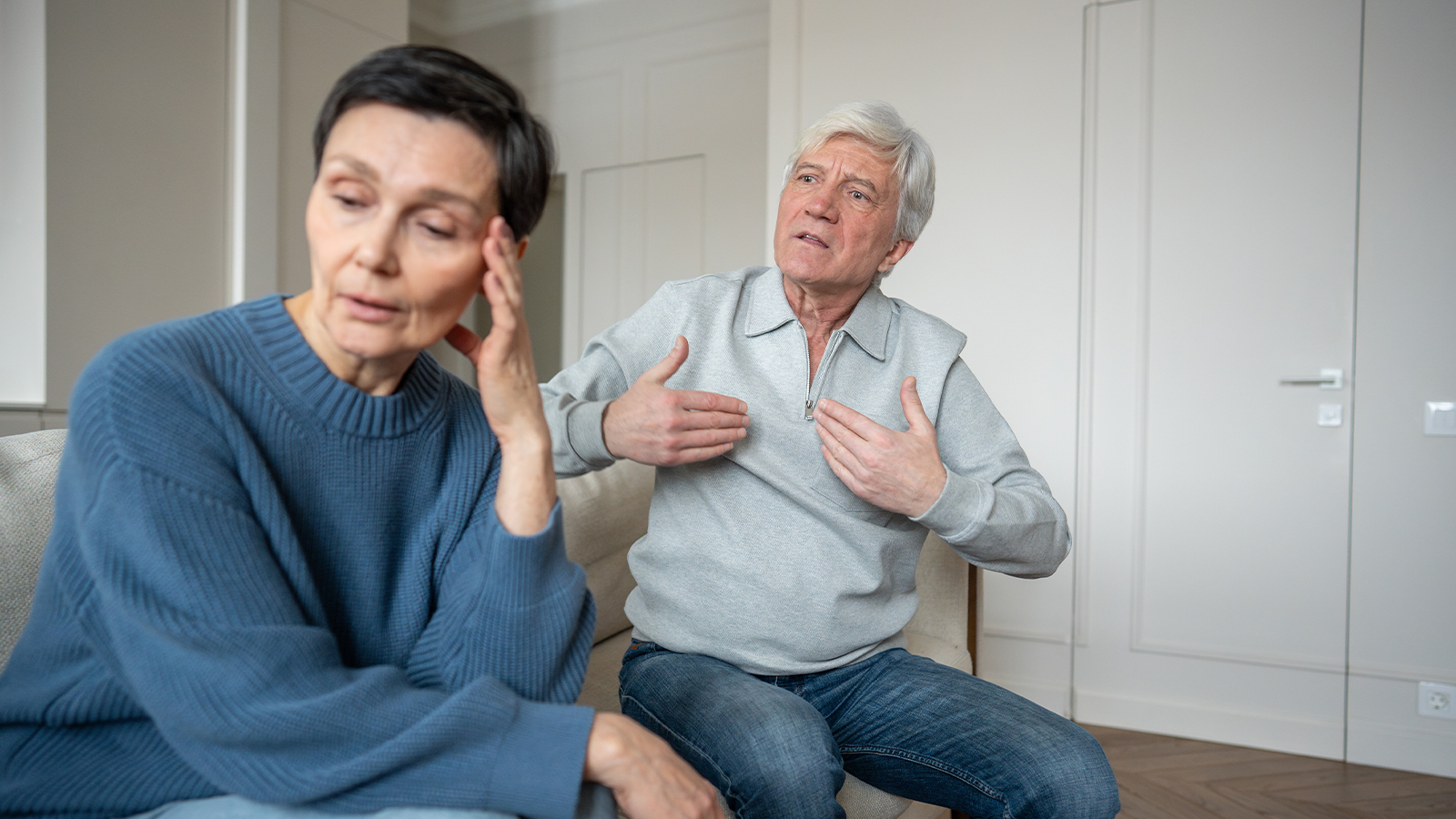
Education is your best defense against caregiver burnout. Studies show training can cut anxiety by up to 40% in family caregivers. Knowing how to take care of yourself helps you give better care for longer.
Caregiver burnout hits nearly 60% of family caregivers at some point. But, with ongoing education, you can spot signs early and act before stress gets too much. You’re First Home Care offers education on self-care for Houston families to prevent burnout.
Recognizing Early Warning Signs of Stress
Many caregivers don’t see burnout coming until it hurts their health and care abilities. Training helps you spot physical signs like constant tiredness, headaches, and sleep changes. These signs often show up weeks before you feel emotionally drained.
Emotional signs include getting irritable, resentful, or losing interest in things you love including personal relationships with others. You might get impatient with your care recipient or feel guilty for wanting time for yourself. Seeing these feelings as stress responses helps you handle them better.
Behavioral changes also signal burnout. You might pull away from friends, skip health checks, or avoid social events. When caregivers are key to family well-being, ignoring these signs can lead to bigger problems.
Implementing Effective Self-Care Strategies
Self-care is essential when you’re caring for others. Training can equip you with powerful tools such as deep breathing, meditation, and stretching, to help manage stress and maintain your well-being. These practices not only help you stay strong and avoid burnout, but they also increase your self-awareness. With the right training, you’ll be better prepared to care for your loved one while maintaining a healthier, more balanced relationship.
Learning to say “no” helps you say “yes” when it counts. You’ll learn to delegate, accept help, and use respite care without guilt. This empowers you to stay strong over time.
Keeping your physical health up boosts your emotional strength. Training stresses the importance of eating well, sleeping enough, and seeing your doctor. When caregivers focus on their health, they’re better equipped for caregiving challenges.
Building Strong Support Networks and Resources
Strong support networks offer both practical and emotional help. Training can suggest local groups where you can meet others facing similar issues. These connections are vital during tough times.
Knowing about community resources changes how you face caregiving challenges. You’ll find out about respite care, meal delivery, transportation help, and financial aid. Having this knowledge ahead of time reduces stress and boosts your confidence in finding solutions.
Professional support services add to your family network, providing specialized help when needed. Training teaches you when to seek help from social workers, counselors, or care coordinators. This support system ensures you’re never alone in caregiving.
Specialized Training for Complex Care Situations
Dealing with complex care needs requires more than basic caregiving. It needs targeted training for specific medical and emotional challenges. If your loved one has dementia or multiple chronic conditions, you need training that prepares you for these unique situations.
You’re First Home Care offers specialized training for family caregivers. It turns family members into skilled caregivers for demanding situations. These training sessions focus on real-world scenarios, giving you practical skills that truly help.
Dementia and Memory Care Techniques
Dementia care is different from regular caregiving. You’ll learn how to communicate when your loved one is confused, forgetful or displays behavior challenges. This training teaches you techniques to handle cognitive challenges, reducing frustration for both of you.
The course covers managing behavioral changes in dementia. You’ll learn to create calm environments and establish routines. You’ll also know how to respond to challenging behaviors with patience and understanding.
Family members who took dementia-specific training feel more confident. You’ll learn to recognize triggers for agitation and prevent or minimize these episodes.
Managing Chronic Conditions and Medications
Managing chronic conditions is more than just following medication schedules. You’ll learn how different health conditions affect your loved one’s daily life and how to be proactive vs reactive when conditions change. You’ll understand why someone with diabetes might need different care than someone with heart disease or arthritis.
Managing medications becomes complex with multiple conditions. The training covers storage, side effects, and dangerous drug interactions. You’ll know when to contact healthcare providers and keep detailed records for informed decisions helping determine whether the prescribed treatments are effective or need doctor review.
This training ensures you can manage complex care situations well. You’ll learn to monitor symptoms, track changes, and adjust routines based on your loved one’s health.
Coordinating with Professional Healthcare Teams
Working with healthcare professionals requires specific communication skills. You’ll learn how to prepare for medical appointments and ask the right questions. You’ll also know how to clearly communicate changes in your loved one’s condition.
The training covers different healthcare disciplines. You’ll understand each professional’s role in your loved one’s care team. You’ll learn to work with doctors, nurses, and others to ensure everyone is informed about your loved one’s progress.
Building these relationships makes you an active advocate for your loved one. You’ll gain confidence in speaking up about concerns and ensuring care decisions align with your family’s values.
| Training Focus Area | Key Skills Developed | Expected Outcomes | |
| Dementia Care Techniques | Communication strategies, behavior management, environmental modifications | Reduced agitation, improved quality of life, enhanced safety | |
| Chronic Condition Management | Medication administration, symptom monitoring, condition-specific care | Better health outcomes, fewer emergency situations, improved coordination | |
| Healthcare Team Coordination | Medical communication, appointment preparation, advocacy techniques | Enhanced care coordination, better treatment compliance, stronger partnerships | |
| Emergency Response | Crisis recognition, emergency procedures, first aid techniques | Faster response times, reduced hospitalizations, increased confidence |
These training programs help both caregivers and patients. They ensure evidence-based care management. The investment in specialized education leads to better outcomes, less stress, and more confidence in caring for your loved one.
Conclusion
Having the right tools and knowledge makes caregiving easier. Studies show that training improves life quality for both caregivers and their loved ones. When caregivers are well-trained, they can better meet family needs, benefiting everyone.
Training does more than teach basic skills. It helps you create a detailed care plan for your loved one. This training boosts your confidence and reduces stress in tough times.
At You’re First Home Care, we urge Houston families to invest in caregiver training. Getting the right training can turn feeling overwhelmed into feeling ready. Learning together changes the care experience for everyone involved.
Training shows that caregivers can prevent problems with the right knowledge. Your effort in learning leads to better results, safety, and happiness in caregiving. These positive changes help improve your relationship with your loved one.
FAQ
Why is family caregiver training so important for providing quality care?
Family caregiver training is key because it boosts your ability to care for your loved one. Without it, you might feel lost and unsure. Research shows that trained caregivers see big improvements in their care recipients.
They see better cognitive skills, quality of life, and function. Even better, trained family caregivers often outperform professionals in some areas. Training gives you the skills, safety, and confidence to handle tough care situations.
How has the demand for home health care changed the role of family caregivers?
Family caregivers are now more vital than ever due to the aging population and high healthcare costs. More families choose to care for their loved ones at home. This shift makes you a key part of your loved one’s healthcare team. It’s a big responsibility but also a chance to make a big difference in their life.
What specific benefits does caregiver training provide for improving care quality?
Training offers many benefits for better care. You’ll learn what to do, why, and how to do it safely. It teaches you to spot hazards, prevent injuries, and understand health conditions. You’ll also know when to seek professional help. This training makes you proactive in your caregiving.
How does training help build confidence in daily caregiving tasks?
Training helps you master daily tasks that once seemed hard. You’ll learn safe bathing, proper body mechanics, how to handle incontinence, medication management and so much more. It also improves your communication with healthcare providers. Most importantly, you’ll know how to handle emergencies calmly and safely.
Can caregiver training really help prevent burnout and stress?
Yes, training is your best defense against burnout and stress. It teaches you to recognize burnout signs and the importance of self-care. You’ll learn stress management and how to set boundaries. It also shows you how to build a support network for ongoing care.
What specialized training is available for complex care situations like dementia?
For dementia and memory care, you’ll learn special communication techniques and how to manage behavioral changes. You’ll also get training on managing chronic conditions and medications. This training helps you work better with healthcare teams and become a true partner in care.
How do I know if I need formal caregiver training or if I can learn on my own?
While learning on your own is possible, formal training offers structured education that improves outcomes. It’s vital for complex medical conditions, cognitive impairment, or mobility issues. Structured training covers safety, emergency procedures, and specialized care techniques. It’s an investment in better care, less stress, and more confidence.
What should I look for in a quality caregiver training program?
Look for a program that covers basic and specialized care skills. It should include hands-on training in your loved one’s environment and address caregiver well-being. Quality programs offer ongoing support and connect you with local networks. They should have experienced professionals who understand family caregivers’ challenges.
How long does it typically take to complete caregiver training?
Training duration varies based on the program and your needs. Basic training might take 4 hours. More in-depth programs may take a full day or two. Many programs offer flexible scheduling to fit your caregiving duties. Find a program that fits your schedule without overwhelming you.
Will insurance or Medicare cover the cost of family caregiver training?
Some organizations offer free or low-cost training. Check with their insurance provider, Area Agency on Aging, and healthcare providers for options.

Previous Article
Let us know your interest
Reach Out
How Does Home Care Help Alzheimer’s Patients
When someone you love gets a Dementia diagnosis, you must make big decisions about their
Read More
Why Home Care is Preferred by Seniors
As people age, they must decide where and how they want to live. Many seniors
Read More
Common Myths About 24-Hour Home Care Services
When families think about 24-hour home care, worries and doubts come up. These feelings are
Read More
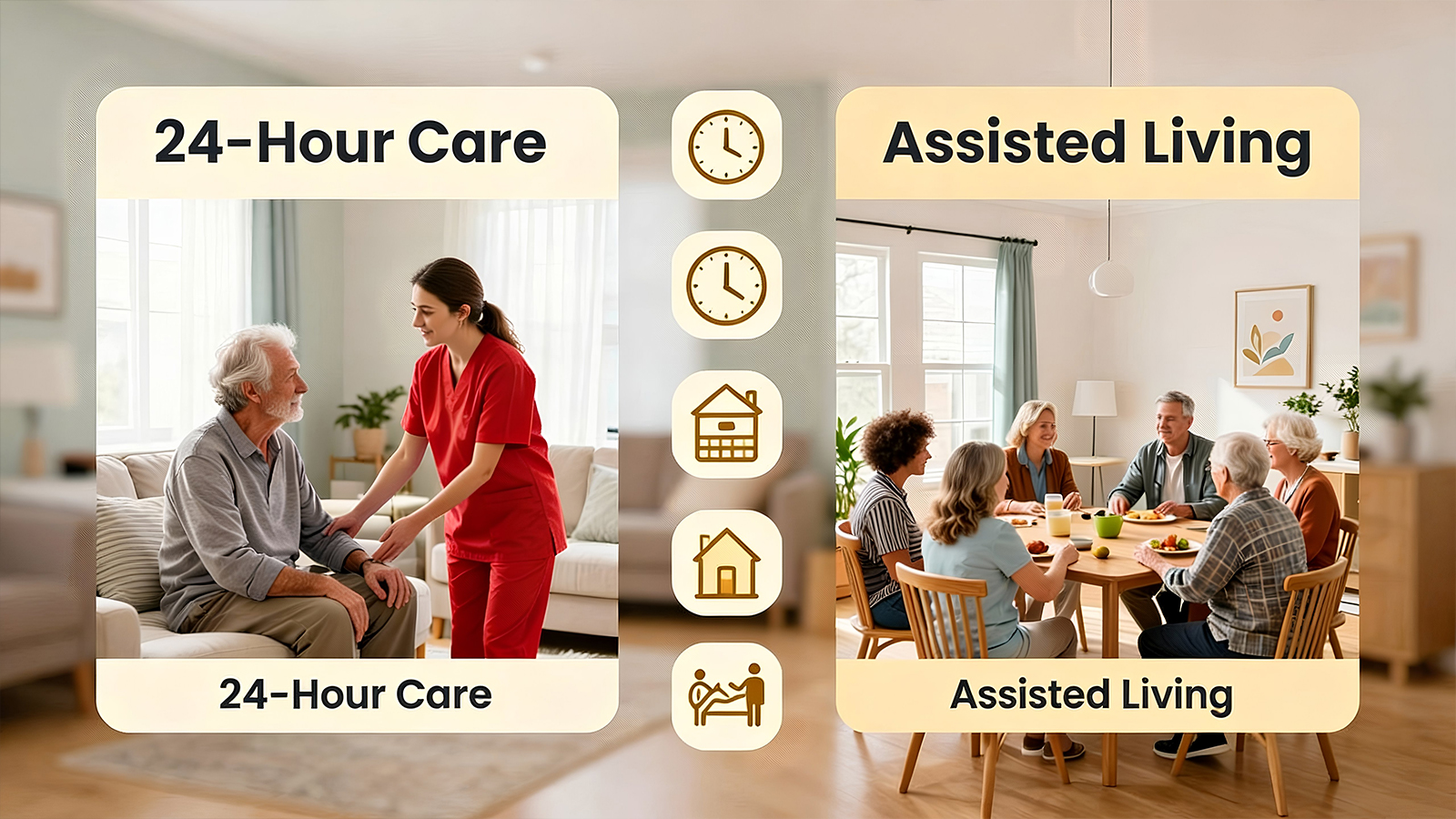
Is 24-Hour Care Better Than Assisted Living?
Deciding between 24-hour home care support and assisted living is tough. It impacts daily life, independence,
Read More
Need Help?