

Blog
Common Myths About 24-Hour Home Care Services
Author: Cheryl McClure

24-Hour Home Care

January 9, 2026
Jan
09
2026
When families think about 24-hour home care, worries and doubts come up. These feelings are normal. You want the best for your loved one, but myths about in-home care can confuse you. Many families delay getting help because of these misconceptions.
But the truth is different. Professional caregivers from trusted agencies like You’re First Home Care go through strict background checks and detailed training. These caregivers help seniors stay at home, keeping their dignity and comfort.
Home caregiving offers flexible options that fit different needs and budgets. It’s not like nursing homes or assisted living facilities with fixed rates. In-home care lets you choose what your loved one needs. This flexibility often makes it more affordable than people think. Your caregiver can help with daily tasks, provide companionship, or manage medical needs based on what works best for your family.
Understanding these myths helps families see the real benefits of home care services. Once you know how modern in-home care works, you can make choices based on facts, not fears. Let’s look at the biggest misconceptions that keep families from getting the support they need.
Key Takeaways
- Professional caregivers undergo thorough background checks and receive extensive training before working in homes
- 24-hour home care costs less than most people expect when compared to nursing homes or assisted living facilities
- In-home care preserves independence, preferences and privacy, not taking it away
- Home care services help people with various needs, not just severe medical conditions
- Flexible care plans allow families to adjust services as needs change over time

Myth 1: 24-Hour Home Care Is Too Expensive for Most Families
Many families think home care is too pricey. This belief keeps them from looking into affordable care options. The truth is, there are ways for families of all incomes to get quality care at home.
Home care agencies offer flexible payment plans and programs. This makes their services more accessible to more people.
Why This Misconception Persists
The fear of high costs comes from seeing big bills without understanding the flexibility of home care. People worry about the cost of 24-hour care without knowing they can customize services. Care providers offer different packages based on actual needs.
Families don’t always need 24-hour coverage to get the support they want.
The Reality of Home Care Costs
Genworth Financials’ 2024 Cost of Care Survey shows home care costs about $33 per hour nationally. This means 40 hours of weekly care costs around $5,200 monthly. Long-term care insurance can cover many of these costs if a loved one has this coverage.
Medicaid programs in many states offer waivers for home-based services. Veterans can also get benefits through the VA Aid and Attendance program.
How Home Care Saves Money Compared to Assisted Living
Assisted living facilities charge about $5,900 monthly on average. This cost applies whether residents need a little or a lot of help. If more than basic needs must be met in Assisted Living the cost will increase from the base monthly charge. Home care lets families pay only for the services they use.
This approach provides peace of mind while keeping costs manageable.
| Care Type | Average Monthly Cost | Payment Structure |
| Assisted Living Facility | $5,900 | Fixed monthly rate |
| Home Care (40 hours/week) | $5,200 | Pay per hour used |
| Home Care (20 hours/week) | $2,600 | Flexible scheduling |

Myth 2: In-Home Care Means Losing Your Independence and Privacy
Many older adults worry that in-home care means losing control. This myth stops them from getting the help they need at home, the truth is different. Professional in-home care helps you stay independent while making daily tasks easier.
Where This Fear Comes From
The fear of losing independence comes from old ideas about personal care. Some think caregivers will take over their homes and make all their decisions. Others fear strangers will disrespect their privacy.
Today’s care is far from those old stories. Modern caregivers are trained to respect your boundaries while they provide care and support your choices. They know that good care means keeping your dignity and freedom.
How Professional Caregivers Actually Support Independence
Professional caregivers aim to keep you independent, not take it away. They offer care that fits your needs and likes. They help only where you need it, not do everything for you.
- Help with hard tasks while you do what you can
- Give companionship without intruding on your time
- Help with medication while respecting your routines and monitoring effectiveness of treatment plans
- Support your mobility to keep you active
- Adjust their help as your needs change
This approach lets you keep making your own life choices while making informed decisions. Caregivers help you maintain your lifestyle, not control it.

Myth 3: 24-Hour Home Care Is Only for Seniors with Severe Medical Needs
Many believe home care is only for bedridden seniors or those with serious health issues. This stops families from seeing the care options that could really help their loved ones. Modern home care offers more than just medical help.
Understanding the Full Scope of Services
Today, care services range from simple companionship to skilled care. A home aide can help with basic wound care, assist in recovery, or provide physical movement assistance. Each service is tailored to meet individual needs.
Care plans might include reminding you to take medication, cooking meals, socialization and/or cleaning, others need help with activities of daily living. The in-home care services for seniors are very customizable depending on the support at home that is needed.
Non-Medical Home Care Options
Non-medical care focuses on daily tasks, not medical procedures. It helps those who can manage their health but need help with daily activities. A caregiver can assist with bathing, dressing, cooking, or keeping the home clean.
- Assistance with grooming and hygiene
- Individuals with cognitive/dementia challenges
- Companionship and social interaction
- Light housekeeping and laundry
- Grocery shopping and errands
- Transportation to social activities
Who Actually Benefits from In-Home Care Services?
People of all ages use home care services. Young adults recovering from surgery, middle-aged individuals with chronic conditions, and seniors wanting to stay independent all benefit. Even temporary needs, like after a hip replacement or chemotherapy, are covered.

Myth 4: All Home Care Agencies and Caregivers Provide the Same Quality
Many people think all home care agencies are the same. This can lead to bad choices that are not beneficial to seniors. The truth is that not all agencies are the same. Knowing the difference is key when picking a caregiver for your loved one.
The Differences Between Reputable and Unreliable Agencies
Good care agencies like You’re First Home Care take many steps to keep seniors safe. They do background checks and interview caregivers carefully. They also have the right licenses and insurance to protect everyone.
Top agencies also watch over their workers and train them well and make sure the right plan of care is in place. But some agencies might not do these things, which can be risky for seniors.
What Makes You’re First Home Care Stand Out in Houston
You’re First Home Care is special because we match seniors with caregivers who fit their needs. We look at what each client needs and pick the right person. Families can meet caregivers before they start working. If it doesn’t work out, we find someone else right away.
Questions to Ask When Choosing a Home Care Provider
Choosing the right care for your loved one means asking the right questions. Here’s a list to help you:
| Essential Questions | Why It Matters |
| What training do caregivers receive? | Ensures proper skill development for quality care |
| How do you handle background checks? | Protects seniors from possible harm |
| Do you take long-term care insurance? | Provides financial protection for families |
| Can we interview caregivers first? | Allows families to check if they’re a good fit |
| How do you supervise employees? | Makes sure care is always up to standard |
| What’s your complaint resolution process? | Shows they care about fixing problems |
Choosing the right home care starts with picking a good provider. Do your homework and ask lots of questions. Your loved one’s safety and happiness depend on it.

Myth 5: Medicare and Insurance Won’t Cover Any Home Care Services
Many families think they must pay for all home care services themselves. They believe insurance won’t help with costs. This stops them from finding care supports that could make things more affordable and accessible.
Understanding What Medicare Actually Covers
Medicare does cover some home health services. If a doctor orders skilled nursing, physical therapy, or speech therapy, Medicare Part A and B usually pay for it. The service must be medically necessary, like after surgery or for chronic conditions.
Medicaid and Long-Term Care Insurance Options
Medicaid waivers help low-income people get dementia and palliative care at home. Each state has its own programs, but many cover personal care and respite care. Long-term care insurance bought years ago might also offer home care benefits that families forget about.
| Insurance Type | Typical Coverage | Eligibility Requirements |
| Medicare Part A/B | Skilled nursing, therapy services | Doctor’s order, homebound status |
| Medicaid Waivers | Personal care, respite care | Income limits, state residency |
| VA Benefits | Aid and Attendance allowance | Military service, disability rating |
Payment Flexibility and Affordable Care Solutions
Smart agencies help families find affordable plans. They might offer hourly rates for respite care or monthly packages for ongoing care. Veterans can get up to $2,424 monthly through Aid and Attendance benefits. Married veterans can get up to $2,874. And surviving spouses can get up to $1,558 a month. Texas also has programs to help families needing care supports.

Myth 6: Home Care Is Only Needed for Long-Term Situations
Many people think in-home care is only for long-term needs. Home services are flexible for both short and long-term needs. They can help during temporary situations like after surgery or when recovering from illness.
Compassionate care fits various health conditions and time frames. It’s not just for permanent situations.
Short-Term Care Scenarios That Benefit from Home Support
Short-term care often helps during recovery periods. After being in the hospital, many need help with daily tasks. Home services can assist with meal prep, managing medications (Home Health Care), and helping with mobility.
Respite care is also important. It gives family caregivers a much-needed break. Harvard Medical School says family members need rest to keep caring.
Palliative and Dementia Care at Home
Specialized care at home is available for those with chronic illnesses or memory issues. Palliative care focuses on comfort and quality of life at home. Dementia care includes meal prep/nutrition, reminders for medication, help with activities of daily living, and supervision.
Companionship services are also valuable for those with cognitive decline. They provide emotional support and company.
Flexible Care Plans That Adapt to Changing Needs
Care plans should change as needs do. Families can get more help when they’re away or busy. Services can be adjusted based on health changes or recovery progress.
| Care Duration | Common Situations | Service Examples |
| 1-2 weeks | Post-surgery recovery | Meal prep, medication and mobility assistance |
| 1-3 months | Rehabilitation period | Physical therapy support, transportation |
| Ongoing flexible | Progressive conditions | Adjusted daily assistance levels |
Conclusion
Many families avoid homecare because of myths. Now, you know the truth about these misconceptions. Homecare lets people stay in their homes while getting the help they need. It’s not just for the wealthy or those who are seriously ill.
One big fear is whether home care agencies take good care of their clients. Professional caregivers from places like You’re First Home Care in Houston offer top-notch care. They provide one-on-one attention that nursing homes can’t match.
The care your loved one gets at home can greatly improve their happiness and health. Working with trusted home care agencies means they can age in place with dignity. Home care is personal, flexible, and focused on what they need. Don’t let myths stop you from exploring this option for your loved one.
FAQ
How much does 24-hour home care typically cost compared to assisted living facilities?
The 2024 Genworth Financial Cost of Care Survey found the national median hourly rate for home health care is $33. For 40 hours a week, that’s about $5,200 monthly. This is less than the average cost of an assisted living facility, which is around $5,900 monthly.
These in-home services are more flexible and often cheaper because you only pay for the hours you need.
Will professional caregivers take over my loved one’s life and make all their decisions?
No, they won’t. Caregivers are trained to help, not control. They support independence and respect personal space. The aim is to make clients feel comfortable and only help when needed.
Is in-home care only for elderly people with serious health conditions?
No, it’s not just for the elderly. Home care helps people of all ages, including those recovering from surgery or managing chronic conditions. Services range from skilled nursing to daily tasks like cooking and bathing. Even those with arthritis who need help getting around or preparing meals can benefit from home care.
How can I be sure a home caregiver won’t take advantage of my aging loved one?
Reputable agencies like You’re First do thorough background checks and interviews. They are licensed, bonded, and insured. You can also interview caregivers before they start work to feel comfortable. Fleming notes that most crimes against seniors involve unskilled caregivers, not those from vetted companies.
Can I get home care for just a few weeks after surgery, or does it have to be long-term?
Home care is very flexible. It’s great for short-term needs like post-hospital recovery. You can also get respite care to give family caregivers a break. Harvard Medical School advises against expecting caregivers to be on-call all the time. Companies like You’re First offer plans that can be adjusted as needed.
How do I choose the right home care agency for my family?
Ask about their services, care planning, training, and how they evaluate and hire caregivers. Look for licensed, bonded, and insured agencies with clear complaint processes. Reputable agencies like You’re First create customized care plans and will find a better caregiver if needed.
Is one-on-one home care really better than senior care facilities?
One-on-one care at home offers personalized attention that’s hard to find in facilities. Home care lets your loved one stay in familiar surroundings with care tailored to their needs. Professional caregivers from agencies like You’re First Home Care in Houston are dedicated to helping older adults maintain their dignity and independence at home.

Previous Article
Next Article
Let us know your interest
Reach Out


How Does Home Care Help Alzheimer’s Patients
When someone you love gets a Dementia diagnosis, you must make big decisions about their
Read More

Why Home Care is Preferred by Seniors
As people age, they must decide where and how they want to live. Many seniors
Read More

Common Myths About 24-Hour Home Care Services
When families think about 24-hour home care, worries and doubts come up. These feelings are
Read More
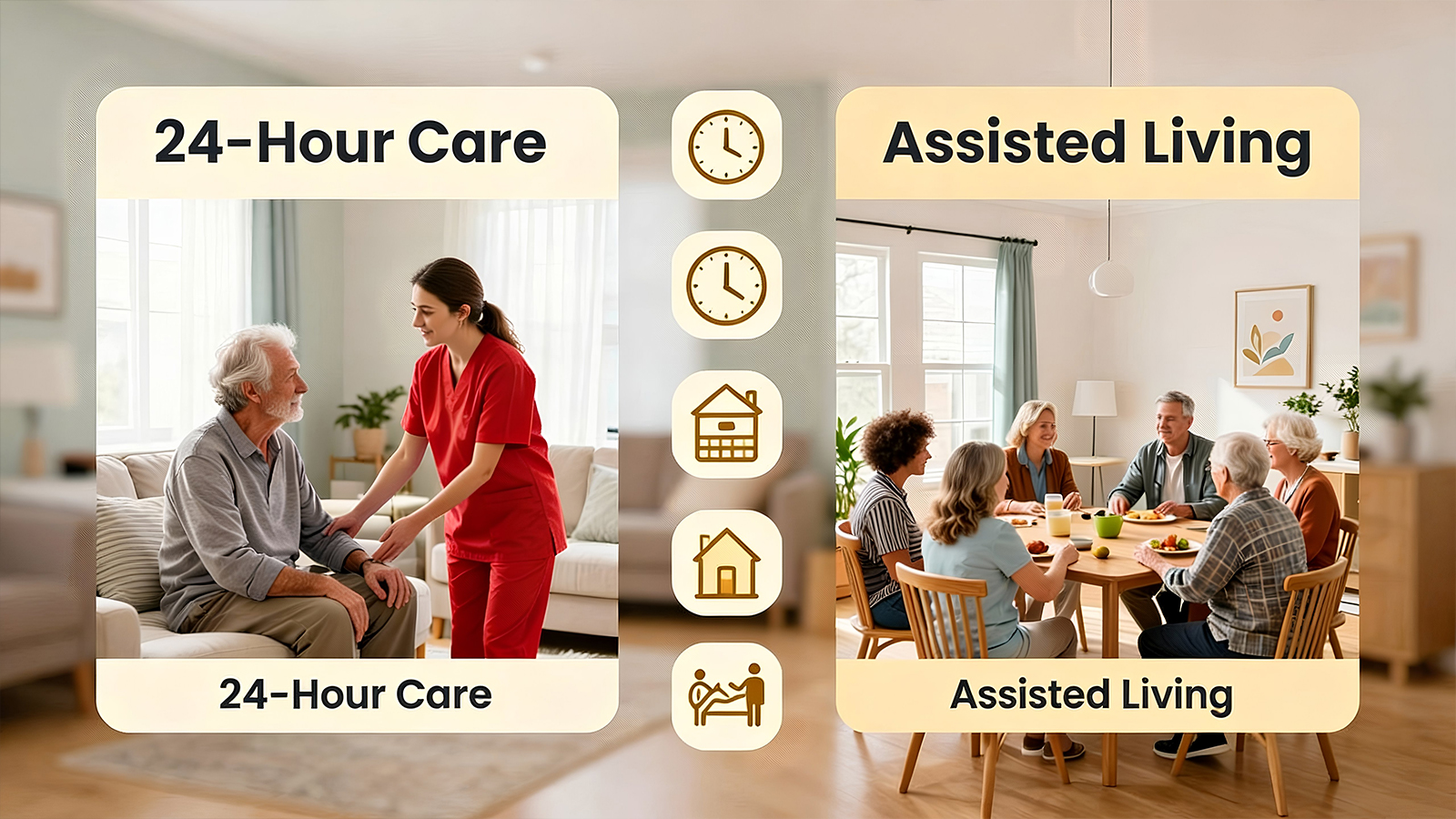
Is 24-Hour Care Better Than Assisted Living?
Deciding between 24-hour home care support and assisted living is tough. It impacts daily life, independence,
Read More

Need Help?