

Blog
Common Myths About Senior Home Care in Houston
Author: Cheryl McClure

Skilled Home Care

July 24, 2025
Jul
24
2025
Senior home care is a topic of much debate in Houston. The 2020 Census found 55.8 million Americans are 65 or older. This makes up 16.7% of the population, or about 1 in 6 people.
Many believe aging means illness and lost independence. But the truth is different. In Houston, seniors can live active, meaningful lives with the right support. They can get anything from simple companionship care to medical help, which is essential for effective elder care.
Myths about senior living can stop families from looking into helpful options. Some think all seniors become depressed or lonely. Others believe care takes away freedom. These myths keep families worried instead of finding solutions.
Houston has many care options, from in-home help to memory care facilities. Each service meets different needs and preferences. Knowing what’s real and what’s not helps families make better choices for their loved ones. Let’s look at the facts about senior home care in Houston.
Key Takeaways
- One in six Americans is 65 or older, creating growing demand for senior care services
- Senior home care includes many options beyond nursing homes
- Most seniors maintain active, independent lives with the appropriate support
- Houston provides diverse care choices from in-home help to specialized facilities
- Common misconceptions prevent families from finding the best care solutions
- Not all aging changes are serious or inevitable
Understanding Senior Home Care Services in Houston
Many families in Houston struggle when their elderly loved ones need more help. Senior home care services are a great solution. They allow seniors to stay in their own homes. This support ranges from basic daily tasks to medical care, giving families peace of mind.
What Home Care Actually Provides
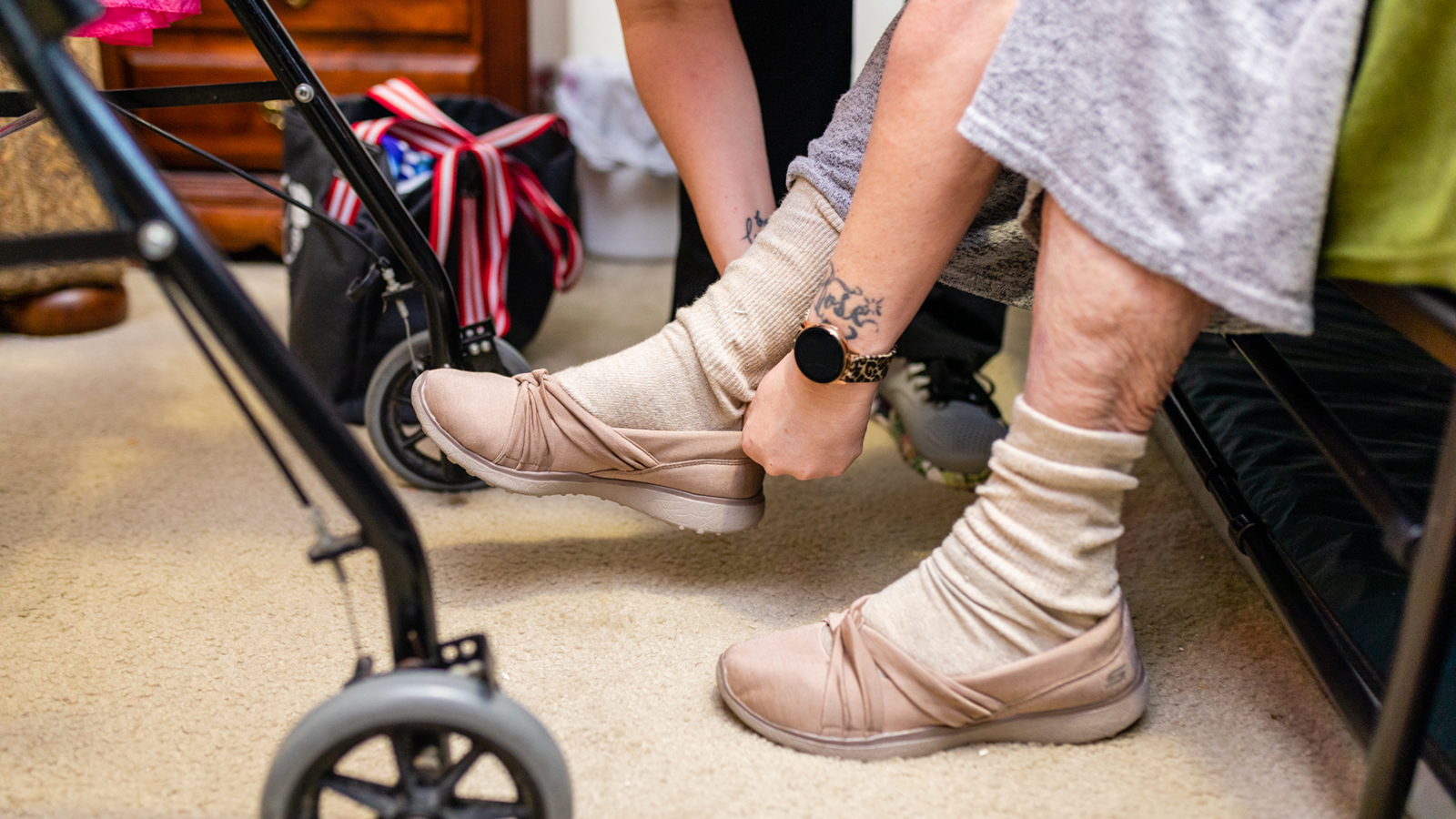
In-home care offers a variety of support based on each person’s needs. Care providers help with daily tasks like bathing, dressing, and cooking. They also remind seniors to take their medicine and provide companionship.
They can also take seniors to appointments and do light housekeeping. This care helps seniors stay independent and comfortable at home.
| Basic Care Services | Specialized Care Services |
| Personal hygiene assistance | Dementia and Alzheimer’s care |
| Meal planning and preparation | Post-surgery recovery support |
| Light housekeeping | Physical therapy assistance |
| Medication reminders | Chronic condition management |
The Difference Between Home Care and Nursing Homes
Nursing homes offer 24/7 care, but in-home care lets seniors stay in their own homes. They can keep their pets and enjoy their privacy. Care is given one-on-one on their schedule, not the facility’s. This flexibility is perfect for those who want to stay independent at home but need some help.
Why Houston Families Choose In-Home Care
Houston’s diverse neighborhoods and strong family bonds make in-home care a popular choice. Families like keeping their loved ones close while getting them the care they need. They can tailor care plans to fit each senior’s specific needs.

Common Myths About Senior Home Care Debunked
Many families face tough decisions about senior care due to common myths. Let’s clear up these myths to help families make better choices for their loved ones and senior living options.
Myth: All Senior Care Services Are the Same
This myth is not true. Senior care services vary a lot. Each service meets different needs and preferences.
| Care Type | Services Provided | Best For |
| Home Care | Personal care, meal prep, companionship, monitoring health | Seniors wanting to stay home/one-on-one assistance |
| Assisted Living | 24/7 support, meals, activities | Those needing daily assistance |
| Memory Care | Specialized dementia support, locked down | Dementia/Alzheimer’s patients |
| Skilled Nursing | Medical care, rehabilitation | Complex health needs |
Myth: Home Care Is Only for the Severely Ill
A professional caregiver can help with simple tasks like grocery shopping or providing companionship. Many seniors use home care services for preventive support, not just medical needs.
Myth: Professional Caregivers Replace Family Members
Professional caregivers support families, not replace them. They give family members peace of mind. This way, family members can enjoy quality visits with their loved one instead of focusing solely on care tasks.
Myth: Seniors Always Prefer Nursing Homes
While nursing homes are important, most seniors prefer to age in their own homes. Studies show that 90% of older adults want to stay in familiar surroundings as they age.
Learn more: Benefits of Senior Home Care vs. Nursing Homes

The Truth About Home Care Costs and Affordability
Many families worry about the cost of care for their aging parents. The good news is that home care is often more affordable than people think. It can save thousands of dollars each month compared to assisted living facilities. This way, your loved ones can get the care they need in a place they know well.
The cost of senior care depends on your needs and budget. Basic companion services might cost $22-30 per hour. Skilled nursing care is more expensive. Many families use long-term care insurance to help cover these costs in either setting. Medicare does not cover the cost of home care; they do cover the cost of home health care. Medicaid can help with some home care.
Here’s what typical home care services cost in Houston:
| Service Type | Average Hourly Rate | Monthly Cost (40 hrs./week) |
| Companion Care | $22-$30 | $3,520-$4,800 |
| Personal Care | $25-$32 | $4,000-$5,120 |
| Skilled Nursing | $35-$45 | $5,600-$7,200 |
Today’s seniors are better at managing their money than past generations. They’ve saved more and planned ahead. This financial security means more families can afford quality care. Services are available at different price points, making them accessible for various budgets.
The real value of home care goes beyond the cost. It gives families peace of mind. You know your loved one is getting the care they need, including medication, meals/nutrition, and companionship/socialization. This support often prevents costly hospital visits and lets seniors stay at home longer.

Independence and Quality of Life with Home Care
Home care services change daily life for seniors by mixing support with freedom. It’s different from senior living communities because seniors can stay in their own homes. This way, they can keep their routines and get the care they need in a familiar place.
Maintaining Independence at Home
Seniors with home care make their own choices every day. They decide when to wake up, what to eat, and how to spend their time. Personal care comes when they need it. This flexibility is a big reason families choose home care.
Feeling in control is key to good care. Studies show that seniors who think positively about aging recover better. Home care helps keep this positive attitude by giving them independence and the help they need.
Social Engagement and Companionship Services
Feeling lonely doesn’t have to be part of aging. Companionship services help seniors stay connected through:
- Regular visits from trained companions
- Transportation to community centers and events
- Technology support for video calls with family
- Group exercise classes and social activities
These services help seniors feel connected and improve their mental and physical health.
Personalized Care Plans for Individual Needs
Every senior receives a care plan designed specifically for their unique needs. As those needs change, so does the care, ensuring the right level of support at every stage. This personalized approach helps seniors thrive at home while giving families peace of mind.
Professional Caregivers vs. Family Caregiving
Families often worry if hiring a professional caregiver means they’re giving up. The truth is absolutely not. Home caregivers work with families to build a stronger support network. They fill in gaps and offer skills that families might not have.
Family members caring for an elderly loved one can get burned out. They have to balance work, personal life, and caregiving duties. That’s where respite care is key. It’s not about giving up; it’s about keeping up the care for years to come.
| Family Caregiving | Professional Caregiving | Combined Approach |
| Emotional support and love | Trained medical assistance | Complete care and assistance |
| Flexible availability | Scheduled, reliable presence | 24/7 coverage when needed |
| Personal history knowledge | Healthcare expertise | Personalized, skilled support |
| Limited training | Certified techniques | Safe, effective care delivery |
Professional caregivers offer training in nutrition, exercise, and health monitoring. They help your elderly loved one stay independent longer. They encourage daily activities, prepare healthy meals, and ensure medications are taken correctly.
Their knowledge in preventive care keeps seniors healthy, active and engaged. It also cuts down on hospital visits.
Choosing the Right Home Care Agency in Houston
Finding the right home care agency in Houston can feel overwhelming. But knowing what to look for makes it easier. Look for agencies that are transparent, offer personalized services, and have caregivers who truly care. This is where You’re First Home Care stands out, providing around-the-clock care tailored for seniors.
What Makes You’re First Home Care Different
You’re First Home Care is an award-winning agency in Houston. We create personalized care plans for each client. Our caregivers get ongoing training to ensure safety and comfort.
You’re First Home Care encourages family involvement and keeps communication open. This makes it easier for everyone to make the best decisions on care.
Questions to Ask Home Care Providers
When looking at care options, ask these important questions:
- What specific services do you offer to help older adults?
- How do you match caregivers with clients?
- What training do your caregivers receive?
- What oversight do your caregivers receive?
- Can you provide references from current clients?
- How do you handle emergencies or higher levels of care needs?
- What are your pricing structures and payment options?
Red Flags to Watch For
Be careful of agencies that don’t do thorough assessments or rush the intake. High caregiver turnover rates can be a problem. Avoid those who won’t share important details like credentials or pricing.
Quality home care is transparent in all they do. Watch out for agencies that are inflexible with care plans or don’t let families participate in decisions.
Conclusion – Common Myths About Senior Living and Senior In-Home Care
Understanding senior home care in Houston can change how families view these services. Knowing what home care offers helps make better choices for aging parents or grandparents. It provides personalized care, keeping them comfortable at home.
Home care improves life quality, not lowers it. It works with the family to create a great environment for their loved one. This way, care doesn’t replace family bonds but strengthens them, reducing stress and allowing quality time together.
Choosing the right senior home care starts with knowing the truth. Whether looking at home care or other options, understanding myths empowers you. Houston families find that professional care leads to better health, independence, and happiness for their loved ones.
FAQ
What’s the difference between home care and assisted living facilities?
Home care lets your loved one get care at home. They stay in their own place. Assisted living means moving to a community for care.
Home care gives one-on-one help with daily tasks, monitoring changes in condition and companionship/socialization. It’s available for skilled nursing too. Assisted living offers care and activities in a community setting.
Do home care services only provide medical care for seniors?
No, that’s a common myth! Home care does more than medical care. It includes companionship, help with daily tasks, and meal prep. It also covers light housekeeping, transportation, and respite for family caregivers. While it does offer skilled nursing, many seniors just need help with daily tasks and social interaction.
Is home care more expensive than moving to a senior living community?
Home care is often more affordable than people think. It’s tailored to fit your budget and needs, ensuring that care for their loved one is affordable. You only pay for what you need. There are also financial help options like long-term care insurance and Medicaid programs for those who quality.
Will professional caregivers replace the role of family members?
No, caregivers are meant to help, not replace family. Home care adds extra support, not replace family love. It gives family members a break. It ensures your loved one gets consistent, trained care. This reduces stress for family caregivers and strengthens family bonds.
How do I know if my aging loved one needs home care services?
Look for signs like trouble with personal care, activities of daily living or social isolation. Feeling overwhelmed while caring for a loved one is a sign too. The right time for home care varies. Some seniors need a few hours of companionship, while others need more care. Agencies offer free consultations to help plan care.
What should I look for when choosing home care providers in Houston?
Look for agencies that do thorough assessments and offer clear pricing. They should provide personalized care plans. Check if caregivers are trained and if the agency matches them well with clients. Make sure they’re insured and read reviews. Agencies like You’re First Home Care encourage questions and clear communication.
Can seniors maintain their independence with in-home care services?
Yes! Home care helps seniors stay independent while getting the support they need. Care providers respect their wishes and routines. The goal is to enhance quality of life without losing dignity or independence. Many seniors stay active and in control with the right support at home.
What types of services do home caregivers typically provide?
Home caregivers offer a wide range of support. They help with bathing, dressing, and grooming, and remind seniors to take medication. They also plan and prepare meals/nutrition, do light housekeeping, and take seniors to appointments/social outings. They provide companionship, support for memory care, and skilled nursing when needed. Care plans are tailored to each person’s needs.

Previous Article
Next Article
Let us know your interest
Reach Out


How Does Home Care Help Alzheimer’s Patients
When someone you love gets a Dementia diagnosis, you must make big decisions about their
Read More
Why Home Care is Preferred by Seniors
As people age, they must decide where and how they want to live. Many seniors
Read More

Common Myths About 24-Hour Home Care Services
When families think about 24-hour home care, worries and doubts come up. These feelings are
Read More
Is 24-Hour Care Better Than Assisted Living?
Deciding between 24-hour home care support and assisted living is tough. It impacts daily life, independence,
Read More

Need Help?