

Blog
Customizing 24-Hour Home Care Plans
Author: Cheryl McClure

24-Hour Home Care

October 10, 2025
Oct
10
2025
When your loved one needs care all day, every day, you have many choices to make. Generic plans just don’t cut it for quality care. Each person has their own specific needs, daily habits, and likes that need to be considered.
Creating a 24-hour customized care plan that fits each individual means looking at everything. Your family member’s health, social life, and daily activities are all important. This way, they get care that really fits their life.
You’re First Home Care, an award-winning 24-Hour Home Care business in Houston, TX, gets this. They know that a customized plan makes a big difference. When you pick the right care, your loved one gets support that’s all about their health and daily life.
This guide will show you how to create a care plan that really works. You’ll learn how to create a plan that changes as needed. This keeps your family member happy and comfortable at home.
Key Takeaways
- Personalized care considers medical, physical, and social needs together
- One-size-fits-all approaches fail to address the individual circumstances and preferences
- Customized solutions adapt to changing health requirements over time
- Professional providers assess lifestyle factors when creating individualized care
- Tailored support helps loved ones maintain comfort in their own homes
- Comprehensive planning involves a thorough assessment, family input and ongoing updates
Assessing Your Loved One’s Individual Care Needs
Starting a successful home care plan begins with truly understanding your loved one’s unique needs. This means open conversations with both you and your family member to learn about their daily routines and requirements.
At You’re First Home Care in Houston, TX, we begin with a comprehensive assessment to understand how your loved one functions in their environment, as well as the challenges and risks they may face. Our approach is fully personalized. We take the time to discuss daily living activities, health and mobility needs, and opportunities for social engagement. Together, we also determine the level of family involvement and the appropriate level of care to ensure the best possible support.
Evaluating Health Conditions and Medical Requirements for Tailored Care
Health conditions are key to a good care plan. Start by listing all health issues. This includes managing diagnosed conditions like diabetes, heart disease, and mobility or cognitive changes.
Managing chronic illnesses needs careful planning. This includes medication, diet, and doctor visits. Every person has unique health needs.
Think about current and future health changes. This way, your care plans ensure growth with your loved one’s health.
Understanding Personal Preferences and Daily Routines
Personal likes and daily habits are also important. Some like mornings, others afternoons. It’s about what makes them happy. Food, culture, and favorite activities matter too. Knowing these helps make their care feel like home.
Write down their daily routines and what they enjoy. This helps plan their day better.
Determining the Appropriate Level of Support
How much care someone needs varies. Some need help with daily tasks like bathing and dressing. Others just need someone to be with them.
The goal is to find the right balance. It’s about knowing their abilities without guessing too much.
| Care Level | Support Areas | Typical Activities | Family Involvement |
| Minimal Support | Safety monitoring, companionship | Light housekeeping, medication reminders | Regular check-ins, coordination |
| Moderate Support | Personal care, meal preparation | Bathing assistance, transportation, shopping | Weekly planning, medical appointments |
| Comprehensive Support | Full activities of daily living | Complete personal care, medical management | Daily communication, care coordination |
| Specialized Support | Medical conditions, cognitive care | Chronic illness management, memory care | Healthcare team collaboration |
Remember, care needs change. Regular assessments ensure your loved one gets the right support as their needs grow.
Developing Your 24-Hour Personalized Care Plan
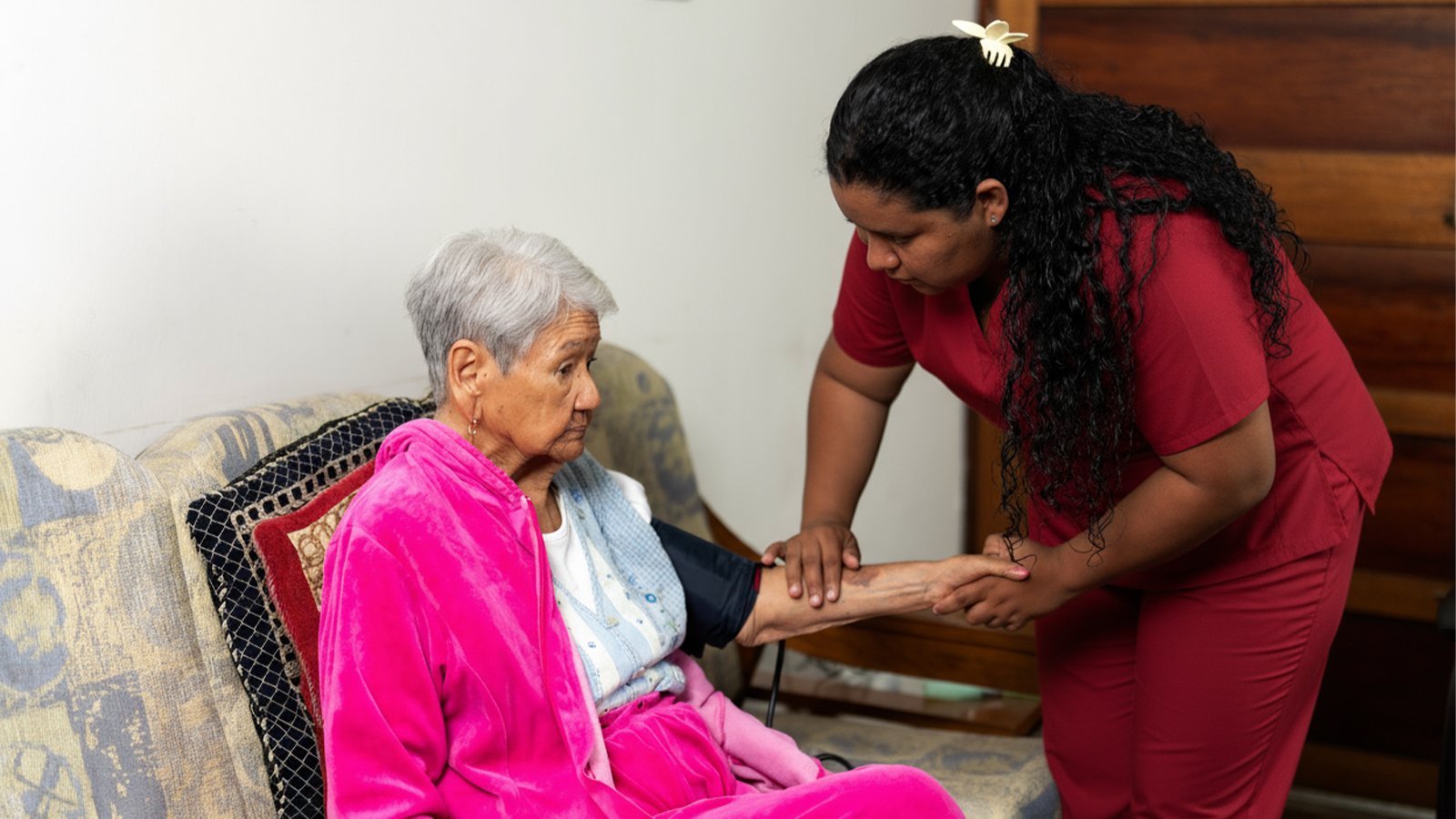
First, you need to understand what your family member needs. Then, you’ll create a detailed, customized treatment plan with help from experts. This team will cover all parts of your loved one’s life. You don’t have to do it by yourself.
Creating this plan takes careful planning and teamwork. It should include medical needs, daily tasks, social and emotional support. This way, your care plan will meet your family member’s needs and preferences at home.
Read More: What Are The Different Types of Companion Care Services Available?
Collaborating with Healthcare Professionals and Caregivers
Working with healthcare professionals is key for good home care. Start by talking to your loved one’s doctor, specialists, and nurses. They offer important insights on treatment and health monitoring.
Your care team should include all those involved in your family member’s care. This might include physical therapists, occupational therapists, or social workers. Each brings valuable knowledge to your care plan.
Finding the right caregiver(s) is also vital. Look for someone with the right skills and personality fit. At You’re First Home Care in Houston, TX, we match families with caregivers who fit needs, skills and personality.
Incorporating Medication Management and Specialized Care
Medication management is a key part of any care plan. Your healthcare team will set up safe ways to take medications and track side effects. This helps avoid bad drug reactions and ensures the right doses. This needs to be done by a Home Health Agency’s nurse or Nurse Practitioner.
Personalized care at home depends on your loved one’s health conditions. For example, someone with dementia needs routine and different care than someone recovering from surgery. Your caregiver should be trained in these areas to provide the best care.
Here are important things for specialized care:
- Condition-specific training for caregivers
- Proper equipment and safety measures
- Regular communication with medical specialists
- Emergency response protocols
- Family education and support resources
Customizing Activities of Daily Living Support
Personal care services need to be tailored to your family member’s needs, abilities and likes. This includes bathing, dressing, grooming, and helping with mobility. The goal is to maintain their dignity while providing the compassionate care they need.
Meal planning and preparation also need special attention. Your loved one might have certain dietary needs or preferences. A skilled caregiver can make nutritious meals that fit these needs and encourage independence.
Transportation and household management are also important. This includes getting to appointments, shopping, light housekeeping, and keeping social connections. These help your family member stay connected and maintain their quality of life.
The success of in-home nursing and personal care depends on good communication and flexibility. Your care plan should change as your loved one’s needs do. This ensures they always get the right support.

Implementing and Adapting Your Customized Home Care Plan
Starting your customized care plan changes your loved one’s life in big ways. It’s a new start where professional care meets personal comfort. Your family member gets the support they need, in their own home.
Benefits of Personalized Home Care Services
Personalized care plans do more than just help. They let your loved one stay independent while getting the right support. This is better than generic care solutions.
Here are the main benefits of personalized in-home care:
- Enhanced Independence: Your family member makes their own choices and follows their own routines
- Cost-Effective Solutions: You only pay for the services your loved one really needs
- Increased Safety: Professional caregivers are always there, without the limits of institutions or shared caregivers
- Improved Quality of Life: Being at home makes your loved one more comfortable and happy; people tend to do better in their familiar surroundings
- Better Communication: You can talk directly to caregivers and share your concerns
- Coordinated Services: All care services work together smoothly
- Greater Empowerment: Your family gets to be part of the care decisions
These benefits give your whole family peace of mind. You know your loved one is getting care that respects their dignity and meets their needs.
Ensuring Quality Caregiving That Evolves with Changing Needs
Your loved one’s needs will change over time. Good care plans are flexible. They adapt to new health conditions, recovery, and challenges without a hitch.
Regular assessments keep your care plan up to date. Maybe your family member needs more help with mobility as arthritis gets worse. Or they might be recovering well and need less support. These changes are normal.
Quality home care means always checking in and making changes as needed. Care plans keep the right level of support at every stage. This prevents too little or too much care, saving resources and keeping everyone safe.
Why You’re First Home Care’s Award-Winning Approach Works
You’re First Home Care in Houston, TX, is known for their flexible care philosophy. They understand that effective in-home care is dynamic. It grows with your loved one’s changing needs.
Their success comes from treating each care plan as a living document. Regular check-ins keep care in line with current needs in addition to good communication between care team members. When health changes, they adjust services right away. This approach prevents gaps in care and keeps quality consistent.
Their caregivers get ongoing training to meet changing care needs. They know that personalized in-home care means being responsive to your family’s changing situation. This dedication to adaptation sets them apart in Houston and explains their industry recognition.
Conclusion
Your loved one’s unique needs call for a special care approach. Customizing a home nursing care plan shows you care about their dignity and freedom. It lets them live in their own space with the support they need.
Starting a care plan means understanding what your senior wants and needs. Home nursing care turns daily tasks into special moments. It makes their home a place of comfort and professional care.
At You’re First Home Care in Houston, TX, they know how important personalized care is. Their plans change as your family member’s needs evolve. This keeps the care high-quality and relevant over time.
Senior care is most effective when it matches your loved one’s true self and needs. Each care plan should respect their personality, health, and lifestyle. Choosing personalized care gives them a care experience that feels right.
Choosing individualized senior care greatly impacts your loved one’s life. Begin creating a care solution that fits your family’s needs.
FAQ
What makes a customized 24-hour Personal care plan different from standard home care services?
A customized 24-hour care plan is made just for your loved one. It fits their unique needs, health, and likes. This means you only pay for what they really need, making it cost-effective.
How do I assess what level of care my loved one actually needs?
Start by talking openly with your family member about their health and daily life. Look at their medical needs and if they can do daily tasks on their own. Also, check their safety and how they move around.
Get help from doctors and nurses to understand their current abilities and future needs.
Who should be involved in developing a personalized care plan?
You should work with doctors, nurses, and caregivers who know about your family member’s health. It’s also important to include your loved one in the planning. Their input helps make the care plan feel right for them.
What specific services are typically included in a 24-hour home health care plan?
A 24-hour care plan can include many services. These include helping with daily tasks, managing medications and conditions, and preparing meals. You can customize these services based on your loved one’s needs.
How often should a customized care plan be reviewed and updated?
It’s important to review and update the care plan regularly or as often as conditions change. Health conditions and needs can change over time. Most families find it helpful to review the plan every few months.
What are the main benefits of choosing personalized in-home care over assisted living facilities?
In-home care lets your loved one stay in their own place. It offers personalized care and can be more cost-effective. It also helps them stay independent and feel more comfortable.
How do I know if my loved one needs specialized care for conditions like dementia or chronic illness?
If your family member has a chronic condition, they might need specialized care. Look for signs like trouble with medications or changes in thinking. Healthcare professionals can help decide what kind of care is best.
What should I look for when choosing a home care provider for 24-hour services?
Look for providers that offer personalized care plans. They should assess your loved one’s needs and work with their healthcare team. Choose a provider that is flexible and offers quality care that makes you feel at ease.

Previous Article
Let us know your interest
Reach Out


How Does Home Care Help Alzheimer’s Patients
When someone you love gets a Dementia diagnosis, you must make big decisions about their
Read More

Why Home Care is Preferred by Seniors
As people age, they must decide where and how they want to live. Many seniors
Read More

Common Myths About 24-Hour Home Care Services
When families think about 24-hour home care, worries and doubts come up. These feelings are
Read More
Is 24-Hour Care Better Than Assisted Living?
Deciding between 24-hour home care support and assisted living is tough. It impacts daily life, independence,
Read More

Need Help?