

Blog
Signs Your Loved One Needs 24-Hour In Home Care Services
Author: Cheryl McClure

24-Hour Home Care

October 17, 2025
Oct
17
2025

Watching your aging parent or elderly relative struggle with daily tasks can be heartbreaking. You want to help but knowing when your loved one needs professional support isn’t always clear. Many families face this difficult decision as their senior loved one’s independence begins to fade.
Recognizing the warning signs early helps you make better choices for your loved one’s care and safety. These signs may indicate a need for around-the-clock supervision. Whether your loved one lives nearby or far away, certain red flags consistently point to professional intervention.
At You’re First Home Care, our award-winning team in Houston, TX understands how challenging these decisions can be. The transition from occasional help to full-time support or 24-hour home care often happens gradually. Multiple warning signs appearing together typically indicate a need for full-time assistance that family members can’t provide alone.
Key Takeaways
- Multiple warning signs appearing together usually indicate your elderly loved one needs professional care and supervision
- Early recognition of these signs helps prevent minor concerns from becoming serious safety issues
- The transition from occasional help to full-time support often happens gradually over time
- Professional assessment can help determine whether your loved one requires around-the-clock assistance
- Family members alone typically cannot provide the full support that aging parents may need
- Understanding these indicators empowers you to advocate effectively for your loved one’s needs
Physical Health Decline and Safety Concerns
As your elderly loved one ages, their body may begin showing signs that they need 24-hour senior care. These signs grow clearer over time and should not be ignored. If you see many health problems together, please contact us. It’s time to get help from top providers like You’re First Home Care in Houston, TX.
Physical decline can start a cycle of problems. Poor nutrition can make meds less effective, leading to balance issues and a higher risk of falls. Breaking this cycle often needs professional help, constant watch and a good care plan.
Changes in Personal Hygiene and Grooming
Wearing the same clothes for days or showing poor hygiene is a big worry. These signs can mean depression, dementia, or trouble with basic tasks. You might see they’re not bathing, grooming themselves or their skin is starting to break down.
Tasks that were once easy now seem too hard or they may have fear of getting into a shower or bath. They might need help with hygiene because it’s hard to bathe or reach certain spots. This decline in hygiene can sneak up on you.
A Recent Fall and Frequent Injuries
A recent fall is a big warning sign for elderly safety. Over a third of older adults with minor head trauma from falls need emergency care within 90 days. If falls keep happening, it means your loved one’s abilities are slipping.
Falls can be due to balance, vision, or medication issues. Each fall raises the risk of serious injuries and makes them afraid to move. Constant watch is needed to stop these dangers.
Difficulty with Senior Medication Management
Medication reminders are key when your loved one forgets doses or takes the wrong amount. For some, meds are vital, but mistakes can be deadly. Forgetting doses or taking too much can be very dangerous.
Managing complex meds is hard to do alone. They might mix up pills, forget if they’ve taken their meds, or struggle with containers. These health issues need professional help to keep meds right.
Problems with Meal Preparation and Nutrition
Meal prep issues show up when you find expired food or notice big weight changes. They might stick to processed foods because cooking is too hard or risky. Kitchen safety is a worry when they forget to turn off appliances or leave food out too long.
Getting the right nutrition is tough when shopping, cooking, and cleaning seem too much. You might find they’re skipping meals or eating the same foods over and over. These nutrition problems make other health issues worse and speed up decline.

Cognitive Changes and Memory Issues
If your senior loved one starts to forget more than usual, it might be time for help. Cognitive decline affects many older adults in the U.S. These changes can sneak up on you slowly.
Mental status changes can range from mild forgetfulness to serious dementia symptoms. Knowing these signs helps you decide what care might be necessary.
Increased Forgetfulness and Confusion
Forgetting things is normal as we age. But, if your elderly relative keeps asking the same questions, it’s a red flag. They might also get lost in conversations or forget important details.
Look out for these signs:
- Forgetting familiar people’s names or faces
- Forgetting how to do once-familiar tasks
- Losing interest in activities they used to love
- Getting confused about time, date, or location
- Losing track of conversations mid-sentence
- Struggling to remember their own address or phone number
These memory problems are more than just age-related forgetfulness. They can make daily living and safety a challenge that might require long-term care.
Signs of Dementia or Cognitive Decline
Dementia symptoms creep up slowly but become clearer over time. Your loved one might struggle with tasks they’ve done for years. They might also make poor financial decisions.
Behavioral changes often come with cognitive decline. A once-gentle person might become aggressive or suspicious. These changes can shock family members who remember their loved one’s previous self.
Getting a professional assessment is key when you notice these changes. Early help can slow down the decline and improve their quality of life.
Missing Important Appointments or Tasks
Missing important medical appointments is a sign of cognitive decline. Your older adult might forget to take medications or pay bills on time. These oversights can lead to serious health and financial problems.
Common missed responsibilities include:
- Doctor visits and medical follow-ups
- Prescription refills and medication schedules
- Utility bills and mortgage payments
- Insurance renewals and legal documents
If these lapses make living alone dangerous, 24/7 supervision might be needed.
Social Isolation and Behavioral Changes
Social isolation often goes hand in hand with memory problems. Your once-social loved one might start to withdraw from activities they loved. Depression often develops alongside cognitive decline in older people.
Signs of isolation include:
- Refusing to attend family gatherings
- Avoiding phone calls from friends
- Stopping hobbies or volunteer work
- Expressing fear about going out in public
These changes show your senior needs professional support. Knowing about trained caregivers can help keep their dignity while ensuring their safety. You’re First Home Care in Houston, TX offers award-winning services to help older adults through these tough times with compassion and expertise and the care they need.

Why 24 Hour In Home Care Services May Be the Solution
When signs your elderly loved one might be in danger become overwhelming, it’s time for 24-hour in home care services to provide the solution your family needs. The decision to seek professional help often comes after months of worry and sleepless nights. You’re First Home Care, an award-winning business in Houston, TX, understands that families reach this point when safety concerns outweigh the desire for complete independence.
Professional around-the-clock care addresses multiple challenges at once. Your loved one stays in their familiar environment while receiving expert assistance and help with personal care. This approach often works better than moving to a care facility and helps your loved one continue to live at home.
When Living Alone Becomes Dangerous
Living alone becomes risky when your elderly relative experiences frequent falls during nighttime hours. Medication errors happen more often when confusion sets in after dark. Cognitive issues can lead to wandering or leaving stove burners on.
Around-the-clock care ensures someone is always present to respond to emergencies and care needs. Professional caregivers stay alert during overnight hours when most accidents occur. They can prevent dangerous situations before they escalate.
Sundown syndrome affects many seniors with dementia. This condition causes increased confusion and agitation in the evening. Having a trained caregiver present helps manage these challenging behaviors safely.
Chronic Health Conditions Requiring Round-the-Clock Monitoring
Chronic health conditions like diabetes require constant attention to blood sugar levels. Heart conditions need monitoring for irregular rhythms, breathing problems or fluid retention. Advanced dementia patients may forget to eat or take medications.
Professional caregivers recognize subtle changes in your loved one’s condition. They know when to call medical professionals or family members. Early intervention prevents minor issues from becoming medical emergencies.
A well-designed care plan addresses specific health needs around the clock. Two caregivers working in shifts ensure continuous monitoring. This system provides better coverage than live-in care where one caregiver needs rest periods and is not monitoring or available for help at a moments notice.
Family Caregivers Need Relief and Support
Family caregivers often experience burnout from constant worry and responsibility. Work performance suffers when you’re always concerned about your loved one’s safety. Relationships with spouses and children can become strained.
Hiring a caregiver helps family members peace of mind. You can focus on your job and other relationships knowing expert care is provided. This relief helps maintain your own physical and mental health.
24-hour care can serve as a temporary solution during recovery from surgery or rehab. It also provides long-term support for progressive conditions. Family members can take much-needed breaks without guilt or worry, and your loved ones can stay in their homes as they age.
Benefits of Professional In-Home Care
Professional caregivers bring specialized training and experience to your home. They can coordinate medication management, provide medication reminders, personal care, and meal preparation expertly. Light housekeeping and companionship are additional benefits.
A reputable home care agency develops personalized care plans for each client. These plans adapt as needs change over time. Regular assessments ensure your loved one receives appropriate care levels.
The consistency of professional care provides structure and routine. Your loved one builds relationships with their caregivers. This familiarity reduces anxiety and improves cooperation with care activities.
| Care Type | Coverage Hours | Caregiver Availability | Best For |
| 24-Hour Home Care | Continuous | Always awake and alert | High-risk conditions, wandering, night emergencies |
| Live-In Care | Continuous | 8 hours sleep time | Companionship, light assistance, stable conditions |
| Hourly Care | Scheduled visits | During visit times only | Specific tasks, medication reminders, social visits |
| Respite Care | Temporary | During scheduled periods | Family caregiver breaks, recovery periods |
In a 24-hour home care arrangement, two or more caregivers rotate twelve-hour shifts. This ensures someone is always awake and available day and night to help. The system works well when your loved one wanders or poses a threat to themselves.
Professional in-home care provides the security your family needs while maintaining dignity and fostering independence. The investment in quality care often prevents costly emergency room visits and hospitalizations. Most importantly, it gives everyone peace of mind knowing your loved one is safe and well-cared for at home.
Conclusion
Spot warning signs early to keep your loved one safe at home. Deciding on 24-hour care is tough. But, if many signs show they need constant watch, it’s time to explore 24-hour care.
Most seniors want to stay in their homes as they get older. An AARP study found 77% of seniors prefer their homes over assisted living. Caregivers work shifts to ensure someone is always there day and night to prevent falls and manage meds.
Whether your loved one is recovering from surgery or dealing with chronic conditions, 24-hour care brings peace of mind. You’ll know they get consistent, professional care while staying independent. This way, they can stay at home comfortably instead of moving to a care facility.
You’re First Home Care, an award-winning business in Houston, TX, knows quality care lets seniors live independently. Our team offers the support your family needs.
If you’ve seen many warning signs in your elderly relative, reach out to us today. Our care coordinators offer free consultations. They’ll help you see how professional home care can help your loved one and give your family peace of mind.
FAQ
How do I know when my elderly loved one needs 24-hour care instead of occasional help?
Look for several warning signs at once. These include falls, medication mistakes, and poor hygiene. Also, watch for confusion, occasional forgetfulness, missed appointments, and feeling left out.
If your loved one is showing many of these signs, they likely need constant care. This care is more than what family can do alone.
What are the most serious physical signs that indicate my loved one may need professional caregiving?
Serious signs include falls and injuries, trouble with medicines, and wearing the same clothes. Also, look for poor hygiene, meal prep issues, and expired items in the fridge. Notice big weight changes or eating only processed foods. These are big red flags that need quick action.
How can I tell if my aging parent’s forgetfulness is normal or a sign they need 24-hour care?
Some forgetfulness is okay, but not all the time. If they forget important stuff like their address or phone number, it’s a sign of a bigger problem. Watch for asking the same questions over and over. Also, if they forget names or get confused about time and place. If forgetfulness is a safety risk, it’s time to look into 24-hour care.
What cognitive changes should I watch for that indicate my loved one needs round-the-clock supervision?
Look for changes in judgment, like bad financial choices. Also, notice if they act differently or have trouble with tasks they used to do easily. If they start to withdraw from friends and family, or act aggressively, they need help. Professional caregivers can handle these changes.
When does living alone become too dangerous for my elderly relative?
Living alone is risky if they fall a lot, make medicine mistakes, or get confused at night. If they wander off or can’t take care of themselves, they need constant care. With 24-hour care, a professional is always there to help. They can prevent emergencies and help with daily tasks.
What chronic health conditions require 24-hour home care monitoring?
Conditions like diabetes and heart problems need constant care. Trained caregivers can spot small changes and act fast. They help with medicines, check vital signs, and make sure they eat right. This care is vital for managing complex health needs.
How does 24-hour in-home care differ from live-in care?
In-home care works with care teams on shifts. This means someone is always awake and ready to help. Live-in care means the caregiver rests, leaving your loved one alone at times. This shift system keeps your loved one safe at night. It helps prevent falls and ensures they get the help they need without risking the caregiver’s safety.
What services are included in professional 24-hour home care?
Home care includes helping with medicines, personal care, and meals. They also do light housekeeping and keep your loved one company. A care agency creates a plan just for your loved one. This can be for temporary help or ongoing care for chronic conditions.
How can 24-hour care help my loved one continue living independently at home?
24-hour care lets your loved one stay in their own home. They get help with things they can’t do alone anymore. This care addresses health and safety issues. It helps them stay independent and keeps their dignity, unlike institutional care.
What should I do if I’ve noticed several warning signs in my elderly loved one?
If you see signs like falls, medicine mistakes, or confusion, call a home care agency right away. They can assess the situation and create a care plan. This plan ensures your loved one gets the support they need. They can stay safe and comfortable at home.

Previous Article
Let us know your interest
Reach Out


How Does Home Care Help Alzheimer’s Patients
When someone you love gets a Dementia diagnosis, you must make big decisions about their
Read More

Why Home Care is Preferred by Seniors
As people age, they must decide where and how they want to live. Many seniors
Read More

Common Myths About 24-Hour Home Care Services
When families think about 24-hour home care, worries and doubts come up. These feelings are
Read More
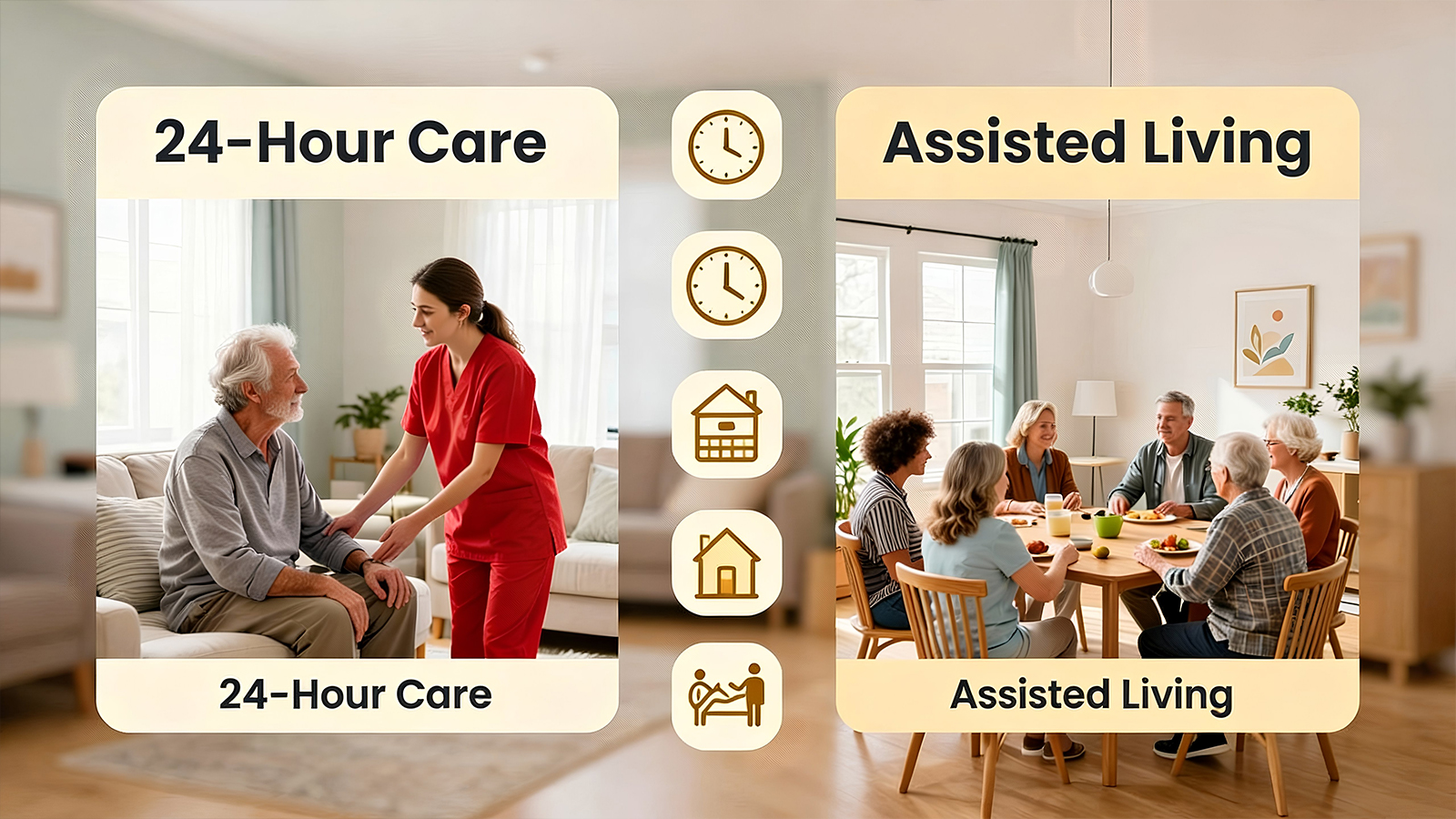
Is 24-Hour Care Better Than Assisted Living?
Deciding between 24-hour home care support and assisted living is tough. It impacts daily life, independence,
Read More
Need Help?