

Blog
Why Home Care is Preferred by Seniors
Author: Cheryl McClure

Senior Care

January 31, 2026
Jan
31
2026
As people age, they must decide where and how they want to live. Many seniors choose to stay in their homes, not nursing homes or assisted living. They want to stay in familiar places for as long as possible, with the support they need.
It’s wise to plan for home care early, before needing a lot of help. They turn to family, friends, and professionals for help when needed.
Staying at home is a good choice for many reasons. A care plan can be made to fit a senior’s specific needs. Home-based care offers flexibility, whether for recovery from an occurrence or managing health issues like diabetes or heart disease. A caregiver can provide daily help or more complex medical support.
The cost is also a factor. AARP data shows assisted living costs can be over $50,000 a year. Most pay out of pocket without insurance help. Home care is often more affordable and can offer better care, making it a practical choice for many.
Home care services can be temporary or ongoing. Each senior gets care that fits their needs, whether it’s help with medication, meals, or mobility. This approach helps seniors keep their dignity and quality of life in their own homes.
Key Takeaways
- Most seniors want to maintain independence and stay in their own homes
- Early planning for home care allows families to make the best decisions
- In-home care provides personalized services from basic to complex medical support
- Home care typically costs less than assisted living, which can exceed $50,000 annually
- Professional caregivers can help manage chronic conditions while preserving quality of life
- Aging in place allows seniors to maintain familiar routines and connections in their community
The Comfort and Familiarity of Aging in Place
Many seniors prefer staying at home because of the emotional bond with their space and neighbor. The comfort of their own home is unmatched by assisted living. For them and their families, home-based care is more than just help—it’s about keeping dignity and quality of life.
Learn More: What is Aging in Place?
Staying in Familiar Surroundings with Cherished Memories
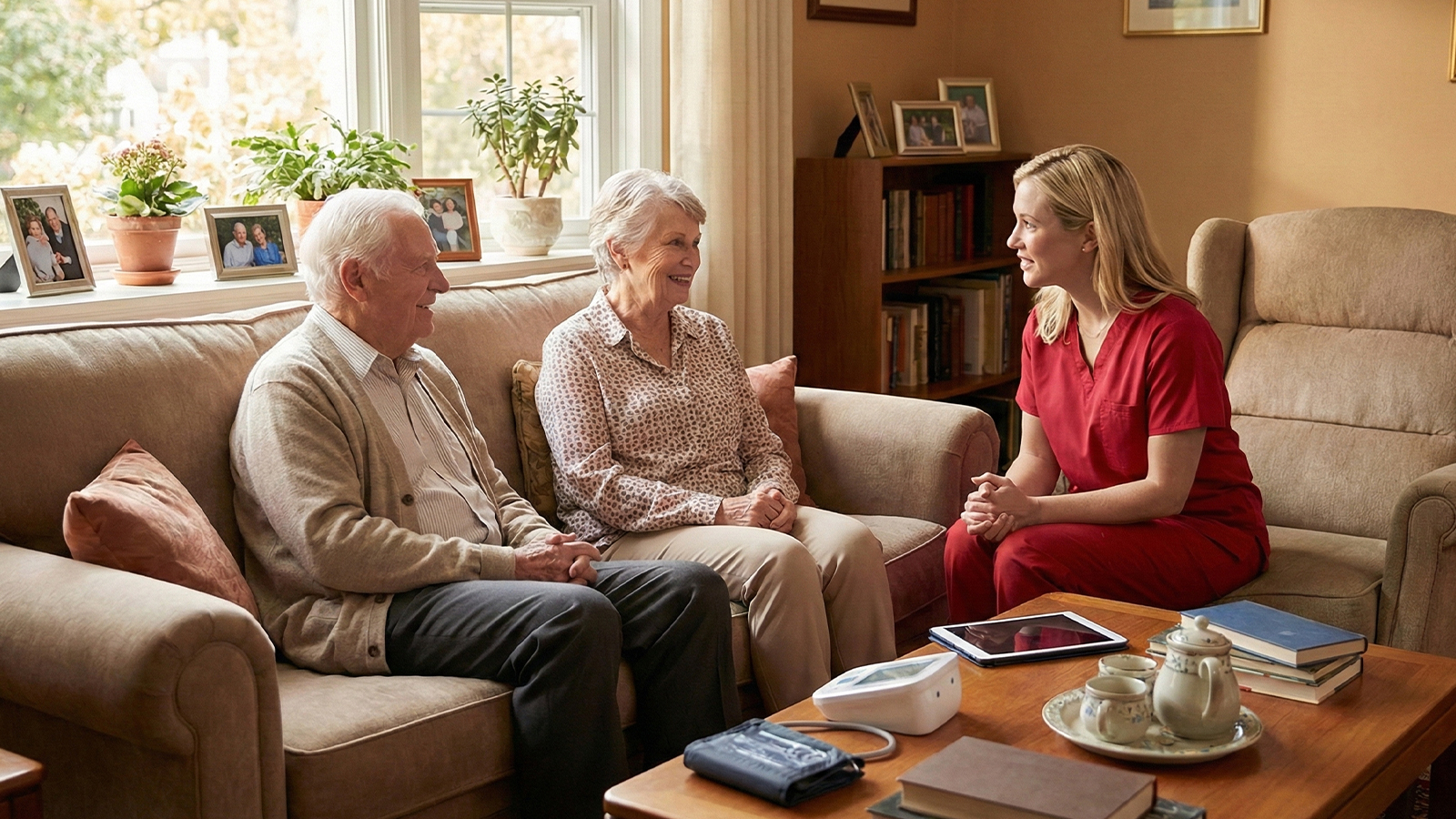
Every part of a senior’s home is filled with memories. Photos, favorite chairs, and rooms full of history. Private duty care lets them stay close to these important things. The familiar sights and smells of home keep them emotionally stable.
Personal care workers respect these memories. They provide care that honors each person’s past.
Maintaining Daily Routines and Personal Preferences
At home, seniors control their day. They can wake up, eat, and do things their way, on their time frame. Caregiving services fit into these routines, not the other way around.
From morning coffee to evening TV, they keep their habits. Caregivers help with tasks like bathing and dressing but respect their choices.
Preserving Long-Standing Community Connections
Staying at home keeps neighborhood ties strong. Friends can visit, and seniors can keep up with local activities. Church, book clubs, and coffee with neighbors are all part of their life.
These connections are key for mental health. They offer support beyond just formal care.
Independence and Freedom That Home Care Provides
Seniors who choose home care services get something very valuable: the freedom to live life as they want. Unlike places with strict rules, home-based care lets them control their days. This freedom greatly improves their quality of life and happiness.
Learn More: Difference Between Home Care and Home Health Care
Making Personal Choices About Daily Activities
Home care means seniors get to make their own choices. A home health care agency knows everyone is different. They can choose when to wake up, what to wear, and what to do.
Whether it’s gardening or reading, they can do what they love. This is all without the rules of a facility.
Flexibility in Scheduling Meals and Entertainment
In-home personal care offers complete flexibility in daily routines. Seniors can eat when they want, watch their favorite shows, or have lunch outside. A health care provider fits into their schedule, not the other way around.
This means they can enjoy movies, play cards, or pursue hobbies. It’s all about meeting their health needs and personal interests.
Control Over Visits from Family and Friends
One of the best things about professional care at home is unlimited visiting hours. Family can come by anytime, and friends can visit without hassle. This lets seniors with health conditions keep strong bonds with loved ones.
The right home care agency knows how important these connections are. They encourage visits to keep seniors happy and well-connected.

Personalized Care Plans Tailored to Individual Needs
Everyone has different health needs, likes, and daily habits. In-home private duty care services are great at making care plans that fit exactly what older people need to stay at home. This is why care at home is the top choice for families looking for quality care.
Geriatric care managers work with families to create plans that meet specific health needs and future requirements. They know a lot about home life and arrange support services for daily tasks. When families live far apart, these experts are key in making sure loved ones get the care they need to stay dignified and independent.
Care plans change as health needs do. Healthcare providers help with medication, wound care, and physical therapy at home. Personal care assistants assist with bathing, dressing, and meals based on what each person can do on their own. This flexibility gives families peace of mind, knowing their loved ones are safe at home.
Respite care helps when family caregivers need a break or face emergencies. Medical alert systems offer constant monitoring for those with serious health issues. These services together create a safety net that lets older people stay independent while getting help when needed.
- Custom schedules that respect personal routines
- Specialized care for chronic conditions
- Care Coordination with doctors and specialists
- Family involvement in care decisions
- Regular plan updates as needs change
Cost-Effectiveness Compared to Residential Facilities
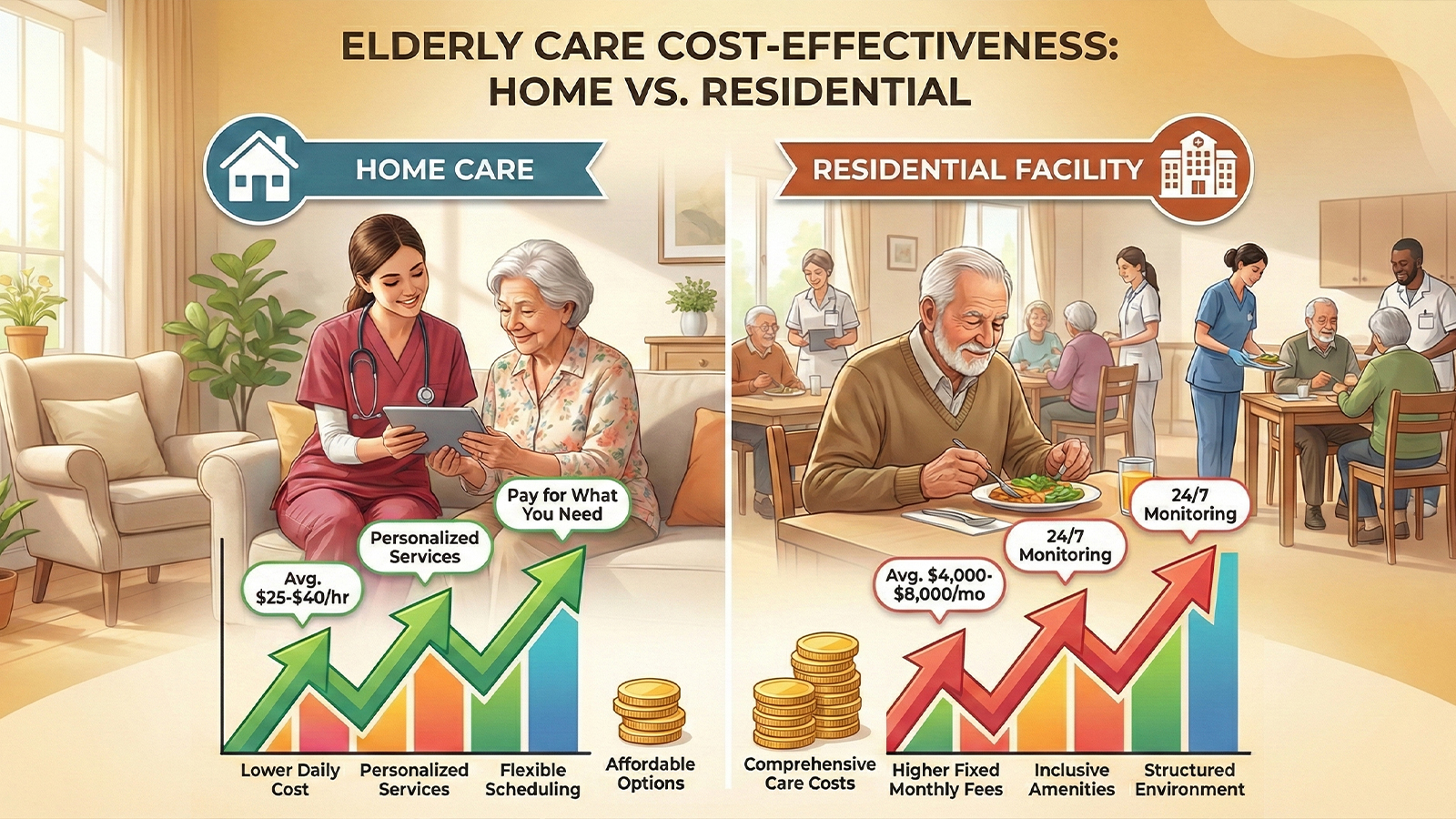
Families often struggle with the cost of care for aging loved ones. Home care can be a more affordable choice than assisted living. It lets seniors stay independent without using up their retirement savings.
Understanding the Financial Benefits of Staying at Home
Most seniors have paid off their mortgages by retirement. This can make staying at home cheaper than moving to a facility. AARP says assisted living can cost over $50,000 a year.
Home care services save thousands while providing quality care. Government programs help with the cost of professional care at home. Medicaid cover some services for lower income individuals. Medicare does not cover the cost of care. The Department of Veterans Affairs offers Aide and Attendance program for qualifying veterans and some state agencies offer more help.
Maximizing Value Through Customized Care For Seniors
Home care lets seniors get the care they need. Families can change services as needed. This means only paying for what’s necessary.
Long-term care insurance, reverse mortgages, and life insurance can help pay for home care. This ensures seniors get the support they need at home.

Health and Wellness Benefits for Older Adults
Older adults benefit greatly from staying in their homes. Studies show they get better health outcomes in familiar places and with one-on-one care. Home care helps keep seniors healthy and happy.
Improved Mental Health and Emotional Well-Being
Seniors feel less anxious and depressed at home. The comfort of their space keeps their minds sharp and emotions stable. They can enjoy activities like gardening, listening to music, visiting with friends and neighbors and attending neighborhood gatherings.
One-on-One Attention from Dedicated Caregivers
Home care means caregivers focus only on one person. This ensures medications are on time, changes in condition are recognized more quickly and meals of their choosing are enjoyed. It helps seniors stay independent for longer.
Better Recovery Outcomes in Home Settings
Recovering at home after surgery or illness is faster. The calm environment helps with sleep and keeps routines. This supports overall health and recovery times.
Reduced Risk of Infections and Hospital Readmissions
Home care reduces the risk of getting sick. It means fewer hospital visits and less exposure to germs. This is key for a senior’s immune system.
How You’re First Care Is Houston’s Choice For Senior Home Care Services
You’re First Home Care is a top choice in Houston for senior care. We help many older adults stay in their homes. You’re First knows each senior is different, so we create care plans that fit their needs. Incorporating our unique SmartCare program into every person’s plan of care has proven success in the quality of care and successful outcome for every person we cared for aging journey cared for.
We focus on quality care that includes:
- Help with daily tasks like bathing, dressing, and moving around
- Meals made just for them, considering their dietary and nutritional needs
- Monitoring changes in condition and treatment plans prescribed by their doctors for effectiveness/desired outcomes
- Making sure medications are taken as prescribed and on time
- Transport to doctor visits and grocery shopping
- Companionship/socialization to support their emotional health
Professional caregivers at You’re First Care work with families to meet seniors’ needs. We help seniors stay independent. You’re First Care offers flexible schedules to fit changing needs.
Our agency goes beyond just helping with care and daily tasks. Our team members form real connections with our clients. We learn about their interests and life stories. This makes care more than just help – it’s meaningful.
By focusing on both physical and emotional needs, You’re First Care makes sure Houston seniors have a great time in their golden years. They get to enjoy their years in the comfort of their own home.
Conclusion
Choosing between assisted living care and in-home services is a big decision for families. Home care is often preferred because it keeps seniors’ dignity and quality of life high. It lets them stay in familiar places, keep their routines, and connect with their community.
In-home care services can be more person-focused verses those living in assisted living. Caregivers offer everything from basic help to special physical care. Studies show that staying at home reduces stress and improves mental health. Seniors keep their social ties strong and avoid the stress of moving to a new place.
Home care is the best choice for balancing independence with support. It lets seniors live their lives as they wish, with the help they need. The mix of familiar settings, personalized care, and dignity makes home care the top choice for many families in America.
FAQ
What does home care cost compared to a nursing home?
Home care costs approximately $30,000 annually for 20 hours of weekly service. According to Medicare for 2026, Nursing homes cost over $90,000 annually. Assisted living facilities cost approximately $68,000 annually. Medicaid provide partial coverage for qualified recipients, significantly reducing out-of-pocket expenses for eligible seniors. Medicare only covers the cost of facility care for short term recovery stays, usually 20 days. Days 21 – 100 Medicare will pay a portion of the cost with deductibles. After 100 days Medicare does not pay for the cost of a Nursing home.
What services does You’re First Home Care provide?
You’re First Home Care provides personal care assistance including bathing, dressing, and mobility support. Our company provides meal preparation services customized to dietary and nutritional needs. Caregivers provide health monitoring tracking vital signs and medication reminders. Our company provides transportation services to appointments and activities. You’re First Home Care provides companionship services that support emotional well-being and reduce isolation.
How quickly can in-home care services begin?
Home care services can begin within 24-48 hours of initial contact in most cases. You’re First Home Care conducts initial SmartCare assessment to understand client needs, preferences and to determine how the individual functions in their environment. The company creates customized care plans based on individual requirements. Caregiver assignments match client personalities and care requirements. Services adjust flexibly as client needs evolve over time.
Does Medicare cover in-home services?
Medicare covers home health care for homebound patients requiring skilled nursing or therapy. Medicare covers intermittent skilled nursing care ordered by physicians. Medicare covers physical therapy, occupational therapy, and speech therapy in home settings. Medicare does not cover 24-hour care or personal care services. Medicaid covers personal care services for eligible low-income seniors in most states for a limited amount of hours determined by each case.
How do you ensure caregiver quality and safety?
You’re First Home Care conducts comprehensive, ongoing background checks on all caregiving staff. The company verifies professional credentials and certifications before employment. Caregivers receive ongoing training in senior care best practices and safety protocols. The company maintains liability insurance and workers’ compensation coverage protecting clients and staff. Regular supervision and quality monitoring ensure consistent, high-quality care delivery.

Previous Article
Next Article
Let us know your interest
Reach Out


How Does Home Care Help Alzheimer’s Patients
When someone you love gets a Dementia diagnosis, you must make big decisions about their
Read More
Why Home Care is Preferred by Seniors
As people age, they must decide where and how they want to live. Many seniors
Read More

Common Myths About 24-Hour Home Care Services
When families think about 24-hour home care, worries and doubts come up. These feelings are
Read More
Is 24-Hour Care Better Than Assisted Living?
Deciding between 24-hour home care support and assisted living is tough. It impacts daily life, independence,
Read More

Need Help?